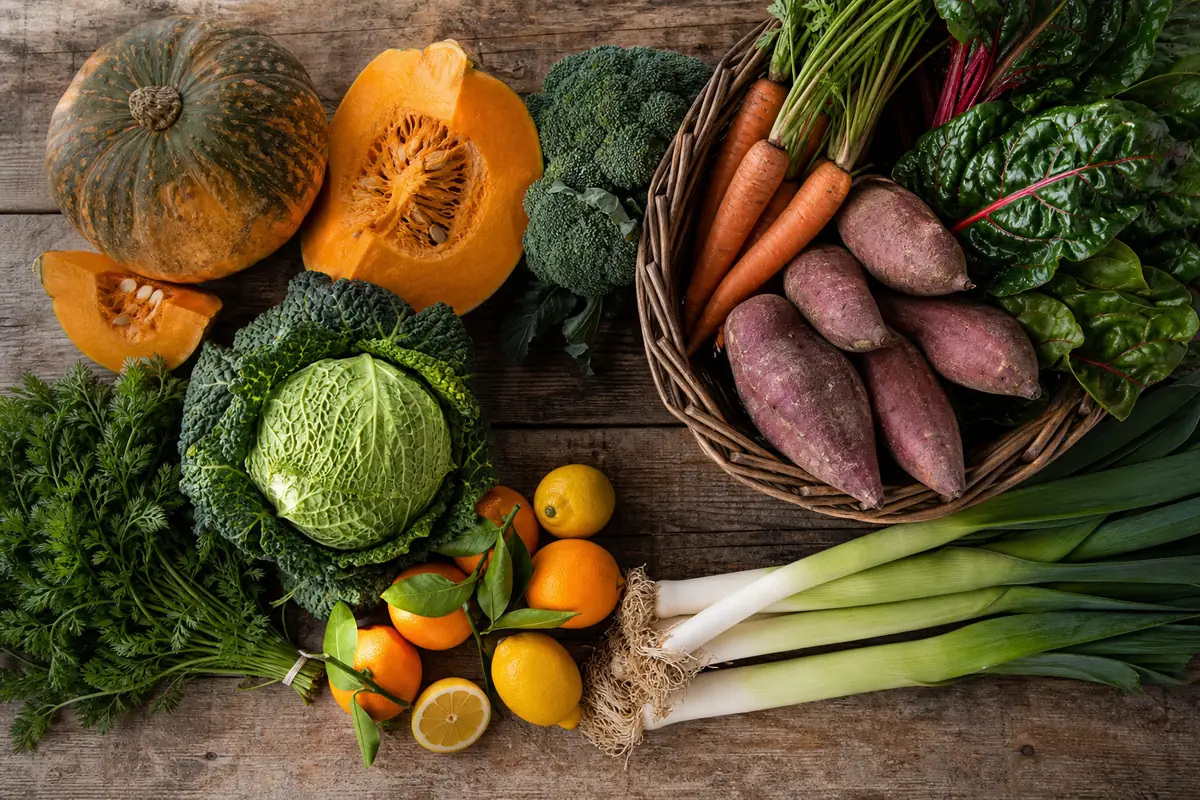
Quick answer: A New Zealand winter (June to August) is peak season for mandarins, navel oranges, lemons, grapefruit, kiwifruit and tamarillos, plus stored apples and pears. On the vegetable side, broccoli, cauliflower, cabbage, Brussels sprouts, kale, silverbeet, spinach, leeks, kūmara, potatoes, carrots, parsnips and yams are all at their best. The cheapest winter buys are usually the brassicas and leafy greens, according to 5+ A Day.
In an age of year-round supermarket everything, it’s easy to forget that food has seasons. Eating with New Zealand’s seasons is one of the least glamorous and most worthwhile wellness habits going: usually cheaper, fresher and lower-impact than out-of-season imports. And a Kiwi winter, despite the gloom, offers a good spread. Here’s what’s in season, how to use it, how to store it, and how to eat well on it without spending more.
A note on timing: this is a guide to the New Zealand winter, roughly June to August. If you’re reading it in another season, treat it as the winter reference rather than a list of what’s on the shelves this week.
Why Seasonal Eating Actually Matters
- Cost: in-season produce is abundant and locally grown, so it’s usually the cheaper option. 5+ A Day lists broccoli, cabbage, cauliflower, Brussels sprouts, kale, celery, leeks, silverbeet, spinach and Asian vegetables among the good-value winter picks.
- Freshness: produce grown nearby and eaten soon after picking spends less time in transit and storage.
- Flavour: a winter mandarin or a frost-sweetened parsnip simply tastes better than the off-season alternative.
- Footprint: local and seasonal means fewer food miles and less cold storage, and even more so if you’re growing some of it yourself.
- Variety by default: eating seasonally rotates your diet through the year. More plant variety helps diversify fibre intake, though gut responses vary from person to person.
NZ Winter Produce at a Glance
| Produce | Why now | Great for | Storage tip |
|---|---|---|---|
| Mandarins and navel oranges | Winter citrus peak | Snacks, lunchboxes, juice | A week in the fruit bowl, longer in the fridge |
| Lemons, limes and grapefruit | Winter citrus; limes run roughly March to August | Dressings, marinades, hot lemon drinks | Fridge, loose or in a container |
| Kiwifruit | NZ season fruit through winter | Breakfast, smoothies | Ripen at room temperature, then fridge |
| Tamarillos | Peak supply July and August | Breakfast, chutney, crumbles | Room temperature to ripen, then fridge |
| Apples and pears | Stored from the autumn harvest | Snacks, stewed fruit, baking | Fridge crisper drawer |
| Broccoli, cauliflower, cabbage | Winter brassica season | Roasts, stir-fries, slaws, soups | Fridge; cabbage keeps for weeks |
| Brussels sprouts and kale | Sweeter after frost | Roasting, sautéing, soups | Fridge, use within a week |
| Silverbeet and spinach | Cool-season greens | Pies, soups, frittatas, curries | Fridge, wrapped in a damp towel |
| Leeks and celery | Winter staples | Soup bases, braises | Fridge |
| Kūmara and potatoes | Stored main-crop roots | Roasting, mash, wedges | Cool, dark, dry place; not the fridge |
| Carrots, parsnips and swedes | Winter roots; parsnips sweeter after frost | Roasts, soups, stews | Fridge, out of the bag |
| Yams (oca) | A Kiwi winter speciality | Roasting whole | Cool, dark place |
| Pumpkin | Stored from autumn | Soup, roasting, curries | Whole pumpkins keep for months somewhere cool and dry |
Winter Fruit
Citrus: The Winter Hero
Winter is peak citrus in New Zealand. Mandarins, navel oranges, lemons and grapefruit are at their best through the cold months. Limes run to a shorter calendar, roughly March to August, so winter is the time to use them rather than the start of a long run. Citrus is a good source of vitamin C right when the colds come round. Northland and Gisborne citrus in particular is worth seeking out.
Tamarillos
The tamarillo is a distinctive Kiwi winter fruit. The NZ Tamarillo Growers Association says fruit is available from March to October, with peak supply in July and August. It’s tart, a useful source of vitamin C at around 30mg per 100g, and rich in carotenoids. Halve one and scoop it onto porridge or yoghurt, or stew it with a little sugar.
Kiwifruit, Apples, Pears and Late Feijoas
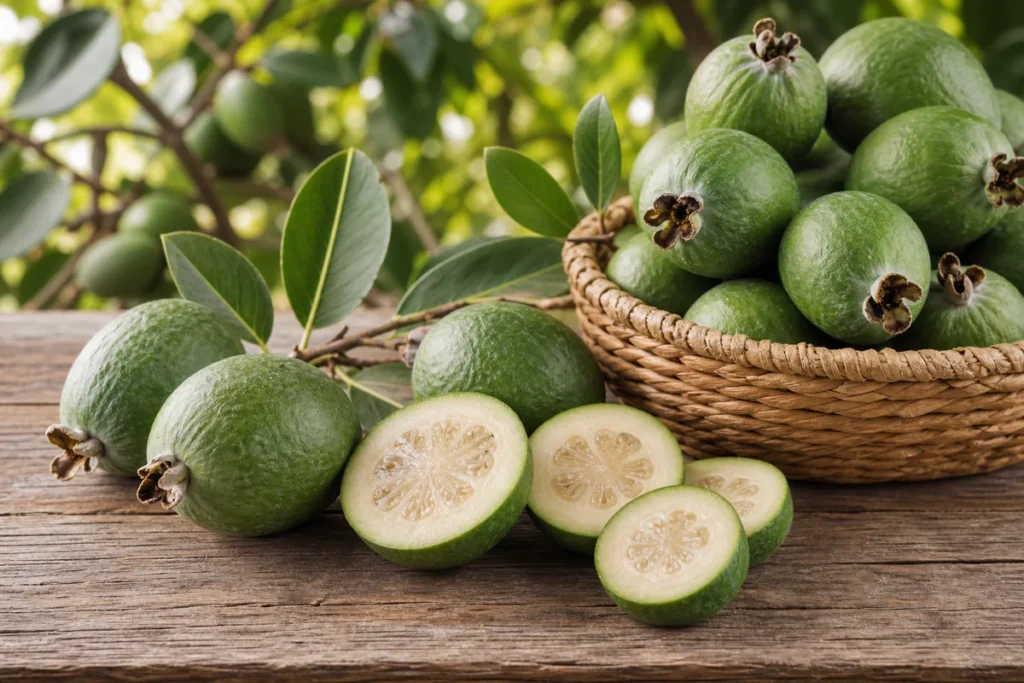
Kiwifruit is on 5+ A Day’s winter fruit list, and stored apples and pears from the autumn harvest carry through the cold months. Late feijoas linger into early winter in the north, and your own frozen feijoa stash fills the gap after that.
Avocado: Check the Timing
Every avocado sold in New Zealand is grown here, because the country doesn’t import them, so there’s no air-freight question at any time of year. The catch is timing. The main Hass harvest runs from roughly September to April, and supply drops away between late March and late June, which makes early winter the leanest and dearest point of the avocado year. From late winter the new season’s fruit comes through and prices ease. NZ-grown Hass carries around 5g of fibre and 520mg of potassium per 100g, so it’s a good buy from late winter on.
Winter Vegetables
Brassicas and Hardy Greens
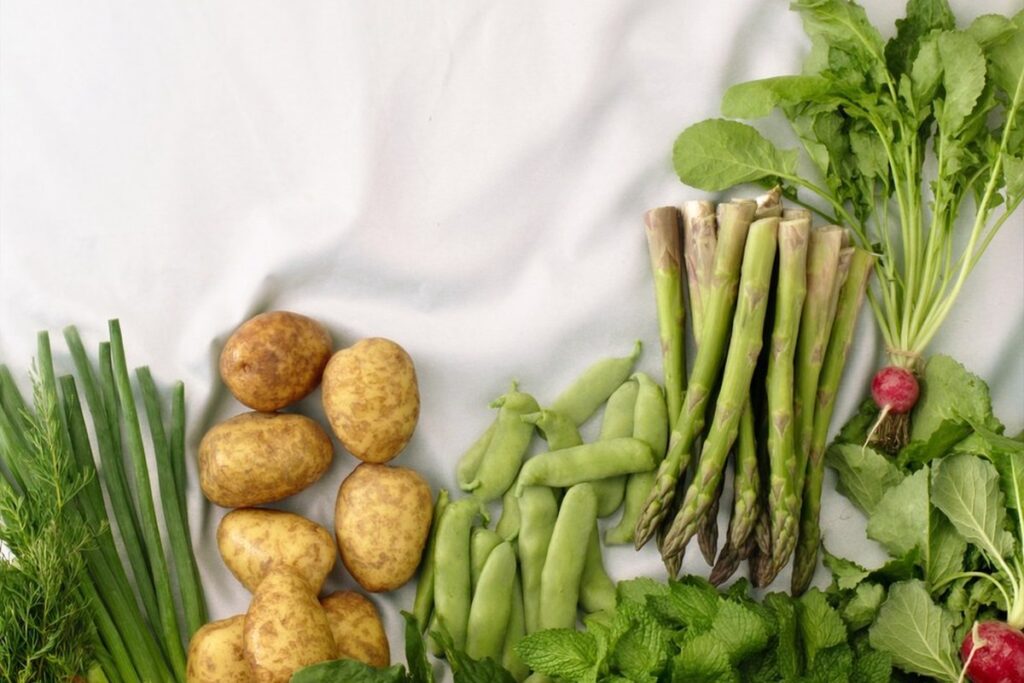
Broccoli, cauliflower, cabbage, Brussels sprouts, kale and silverbeet all thrive in the cold, and kale and sprouts are sweeter after a frost. They’re the nutritional backbone of a winter plate: high in fibre, vitamin C and vitamin K. They’re also among the best-value vegetables of the season, so build meals around them. A whole cabbage stretches across a slaw, a stir-fry and a soup.
Root Vegetables and Pumpkin
Kūmara, potatoes, carrots, parsnips, swedes and yams are in their element, and pumpkin stored from autumn keeps for months. They’re filling, cheap and made for the slow-cooked meals the season calls for. Cooking potatoes or kūmara ahead and eating them cooled raises their resistant starch, which feeds gut bacteria. See our kūmara nutrition guide for how to get the most from that one.
Leeks, Celery and Salad Crops
Leeks and celery are the base of most winter soups and braises. Winter lettuce, rocket, spinach and Asian greens keep going through a northern winter and under cover further south, so fresh salad doesn’t have to disappear entirely.
Getting the Best Value in Winter
- Lead with brassicas and greens. They’re usually the cheapest fresh vegetables in winter, so plan meals around them and treat summer crops such as tomatoes and capsicums as occasional.
- Buy loose and whole. A whole cauliflower or pumpkin usually costs less per kilo than pre-cut pieces, and keeps longer.
- Use frozen for summer produce. Frozen berries and peas are picked and frozen in season, and they’re often cheaper than imported fresh ones in winter. NZ blackcurrants are a good example.
- Try a farmers’ market or fruit and vege shop. Seasonal produce is the whole range there, and prices often beat the supermarket.
- Grow the easy ones. Kale, silverbeet and spinach keep producing for months from a few plants; our winter growing guide shows what to plant.
A Week of Winter Eating
You don’t need recipes so much as a rhythm. A simple winter week might look like this:
- Breakfasts: porridge topped with stewed apple or tamarillo; a mandarin or kiwifruit on the side.
- Soup night: leek, potato and kale soup, or roast pumpkin soup, made on homemade bone broth.
- Tray bake: kūmara, carrots, parsnips, broccoli and Brussels sprouts roasted with chickpeas or sausages.
- Stir-fry: cabbage, bok choy and broccoli with rice and an egg or tofu.
- Pie or frittata: silverbeet and feta, using the whole bunch.
- Lunches: leftovers, plus a crunchy slaw of cabbage, carrot and apple with a lemon dressing.
- Dessert: apple and feijoa crumble from the freezer stash, or baked pears.
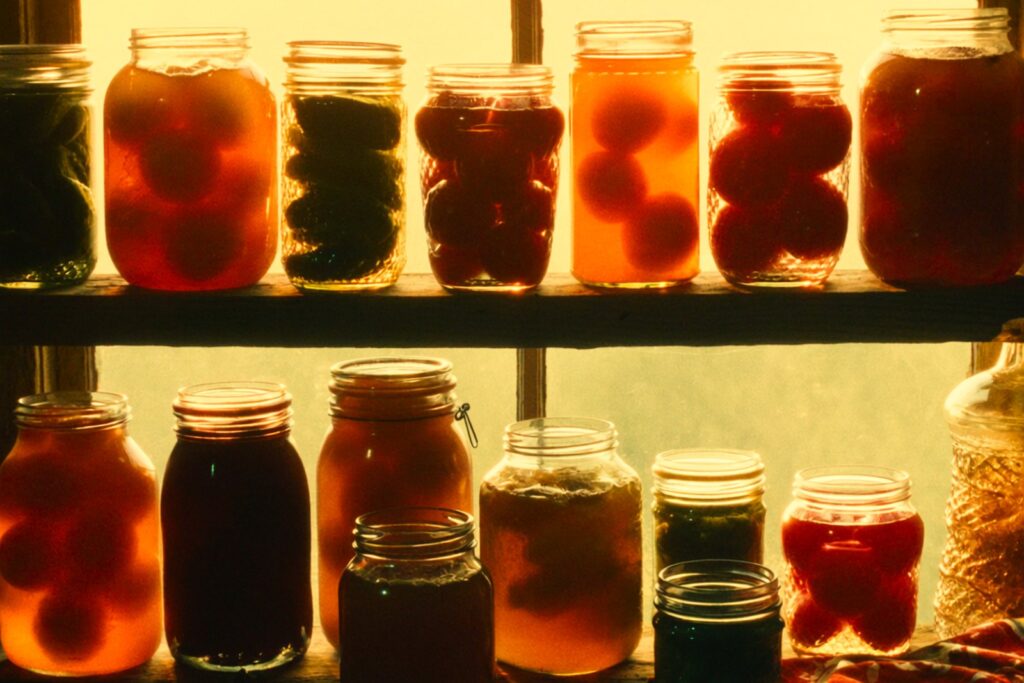
This is also the time to lean on what you put away in autumn: frozen berries, jars of preserves and dried fruit. Our home preserving guide covers what’s genuinely safe.
What Seasonal Eating Can’t Cover
Seasonal eating covers your food, but it doesn’t cover the sun. Vitamin D is the one thing a winter plate can’t fully supply at New Zealand’s latitude, so read our winter vitamin D guide alongside this one.
The Bottom Line
A New Zealand winter isn’t a nutritional dead zone. It’s citrus, kiwifruit and tamarillos, brassicas and greens, and a cupboard of roots and pumpkin, all at their best and usually at their cheapest. Build your winter meals around the brassicas and greens, keep a bowl of mandarins on the bench, cook roots in big batches, and use frozen fruit for anything summery. You’ll eat better and spend less than any trend-driven plan will deliver, and you’ll be eating the way this country actually grows.
Frequently Asked Questions
What fruit is in season in NZ in winter?
Mandarins, navel oranges, lemons, limes, grapefruit, kiwifruit and tamarillos, plus stored apples and pears from the autumn harvest.
What are the cheapest vegetables in a NZ winter?
Usually the brassicas and leafy greens: broccoli, cabbage, cauliflower, Brussels sprouts, kale, silverbeet and spinach, along with leeks and celery. Prices vary with the weather, so check what’s on special each week.
When are tamarillos in season in NZ?
From March to October, with the most fruit in July and August.
Are avocados in season in winter?
Not early winter. Supply is lowest from late March to late June, and the new season’s fruit arrives from late winter, when prices start to ease.