Quick answer: In a New Zealand winter, plant garlic (late May to August, ready in about six months), broad beans (ready in 90 to 120 days), onions, cabbage seedlings, kale, spinach and silverbeet. Carrots and radishes can go in year-round, and peas go in from August. In colder regions such as Canterbury, Otago and the Central Plateau, add turnips and swedes, and give leafy crops a cloche or cold frame. Timings below are from the Daltons autumn and winter planting guide and Kings Seeds.
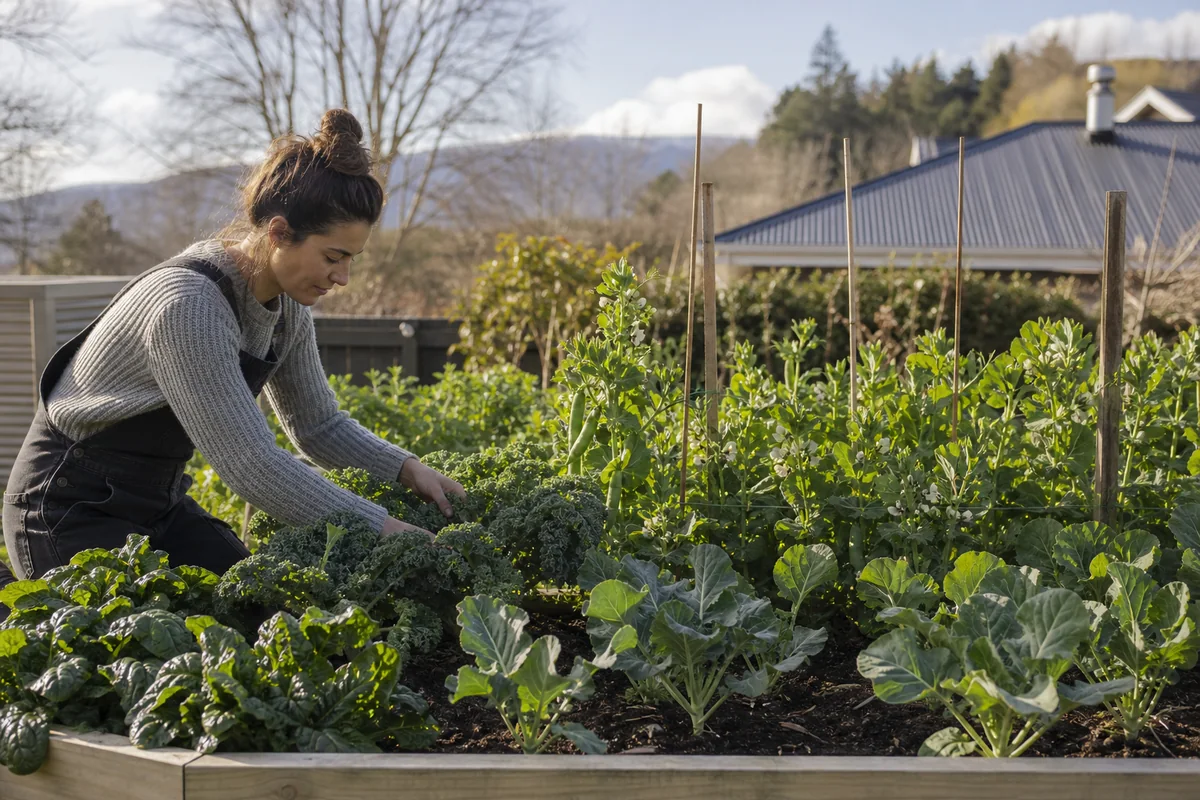
There’s a myth that the Kiwi vegetable garden goes to sleep over winter. It doesn’t. It just changes crew. Some of the most rewarding crops go in the ground in the cold months, and a winter garden is one of the quietly best wellness habits around: fresh vegetables a few steps from the kitchen, time outdoors when daylight is scarce, and food you grew yourself. For what’s in season to eat through the cold, see our NZ winter produce guide.
Timing note: this is a winter planting guide for June to August. If you’re reading it in spring or summer, treat it as a plan for next winter. The garlic window in particular closes in August, and our spring planting guide covers what to sow now instead.
First, Know Your Climate
New Zealand isn’t one climate. Garden suppliers usually split the country in two. Warm climates are Northland, Auckland, Tauranga and the Bay of Plenty, where leafy crops keep growing through winter and frosts are light or rare. Cool climates are the Central Plateau, Canterbury and Otago, where hard frosts stop growth for weeks and hardy crops do better than tender ones. Most of the rest of the country sits somewhere between, and a sheltered, sunny section can behave like a warmer zone than the one you live in.
The practical rule: in the north, keep sowing and picking through winter. In the south, get hardy crops established, protect leafy ones, and use the coldest weeks to prepare beds for spring. When in doubt, the back of the seed packet and your local garden centre beat any national guide, including this one.
What to Plant in Winter: Quick Reference
| Crop | Warm north (June to August) | Cool south (June to August) | Ready in (approx.) |
|---|---|---|---|
| Garlic | Plant cloves until August | Plant cloves until August | About 6 months |
| Broad beans | Sow seed or plant seedlings | Sow seed or plant seedlings | 90–120 days |
| Onions | Plant seedlings May to July | Direct sow July to September; seedlings from August | 90–120 days |
| Cabbage | Plant seedlings until June | Plant seedlings until June | 90–150 days |
| Kale | Sow or plant year-round | Sow or plant year-round | 50–65 days |
| Spinach | Sow or plant until August | Sow or plant until August | 60–70 days |
| Silverbeet | Sow or plant | Sow or plant | 50–85 days |
| Peas | Sow from August | Sow from August | 65–80 days |
| Carrots | Sow year-round | Sow year-round | 60–90 days |
| Radishes | Sow year-round | Sow year-round | 4–5 weeks |
| Turnips | Grow best in cool climates | Sow until August; seedlings until September | 50–70 days |
| Swedes | Grow best in cool climates | Plant seedlings until June | 100–120 days |
Sources: Daltons Autumn & Winter Vegetable Planting Guide (2026) for all crops except garlic, which is from Kings Seeds. Times are a guide only and vary by region, variety and season.
The Best Crops to Plant Now
1. Garlic: The Classic Winter Crop
The old Kiwi saying is to plant garlic on the shortest day (around 21 June) and harvest on the longest (around 21 December). Kings Seeds puts the planting window at late May to August, with harvest about 180 days later. Plant individual cloves pointy end up in free-draining soil in full sun. Supermarket garlic is often imported and may not grow well, so buy seed garlic from a garden centre or seed supplier instead. Lift the bulbs once the leaves yellow and die back, then dry them somewhere airy before storing.
2. Broad Beans
Broad beans are frost-hardy and fix nitrogen, so they leave your soil better than they found it. Sow seed directly or plant seedlings through winter, about 15 to 25cm apart, and they’ll crop in 90 to 120 days. Give them support to at least a metre. When they’re in full flower, pinch out the growing tips: it fattens the pods and helps keep blackfly away, and the tips are good to eat, sautéed like greens. Pick the beans young for the sweetest flavour.
3. Brassicas: Cabbage, Kale, Broccoli and Cauliflower
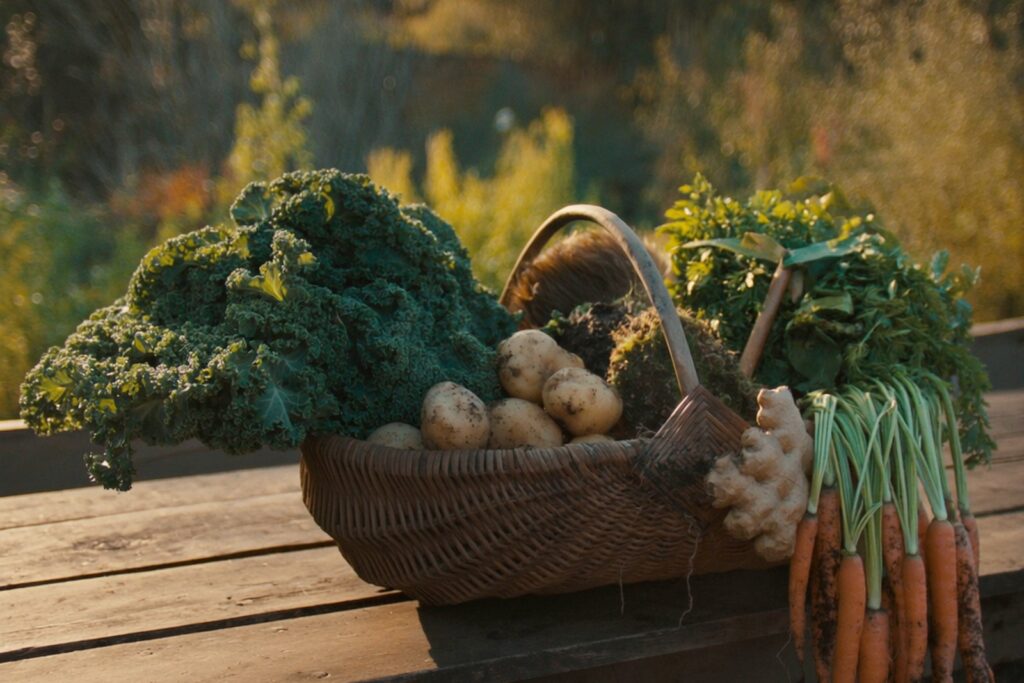
The winter workhorses. Kale can be sown or planted year-round and is ready in 50 to 65 days; pick the outer leaves and small side shoots as you need them. Cabbage seedlings can still go in until June and take 90 to 150 days. Broccoli and cauliflower do best planted as seedlings in autumn (from March or April), so in winter you’re harvesting them rather than planting, though gardeners in mild areas can keep putting in a few plants every three weeks for a steady supply. Brussels sprouts prefer cooler climates and are best planted from late April.
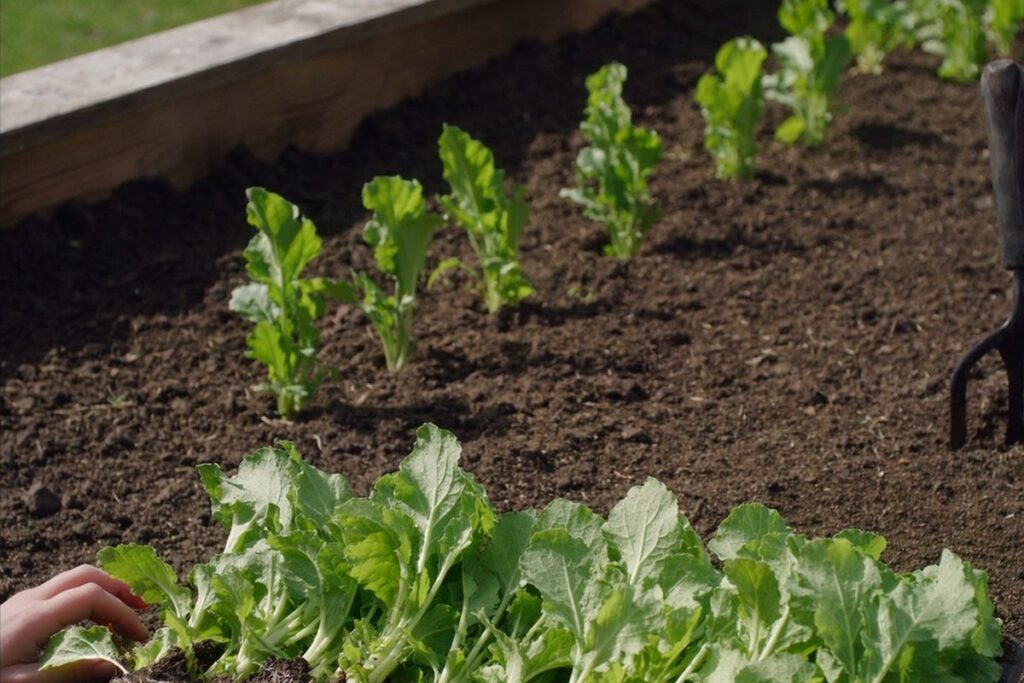
Use seedlings rather than seed in winter for the fastest results, and net brassicas against white butterfly caterpillars and birds. Firm the soil well around them, because loose soil leads to loose heads.
4. Silverbeet and Spinach
Both are cool-season leafy greens that keep producing when little else will. Silverbeet tolerates cold and heat, is almost impossible to kill, and is ready in 50 to 85 days. Spinach can be sown or planted until August and is ready in 60 to 70 days. For both, take the outer leaves first and the plant keeps giving for months.
5. Onions
In the north, plant onion seedlings from May to July. In cooler regions, sow seed directly from July to September or plant seedlings from August. They take 90 to 120 days, and they’re ready when the green tops fall over and start to yellow. A well-grown onion patch stores for months, which makes it one of the best self-sufficiency crops you can grow.
6. Peas
Peas go in from August, at the end of winter, for a crop in 65 to 80 days. Tall varieties reach about 1.5m and need strong support; dwarf varieties stay around half a metre. Pick the pods at 7 to 8cm and keep picking, because regular harvesting keeps them cropping.
7. Carrots, Radishes and Beetroot
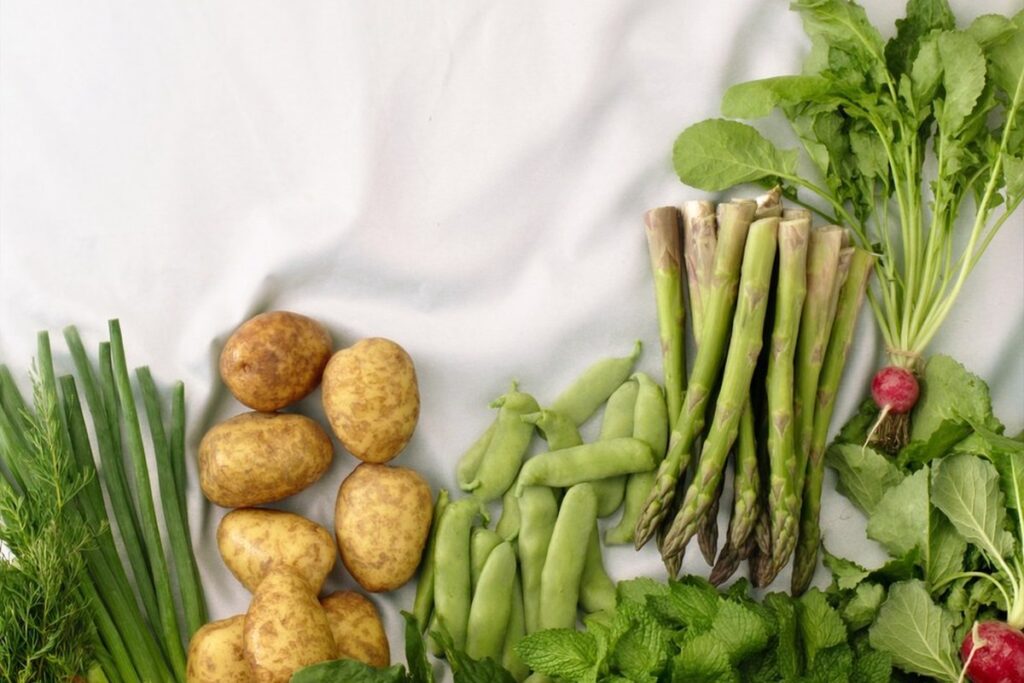
Carrots and radishes can be sown year-round. Radishes are the fastest crop in the garden at four to five weeks, and they’re a good one for kids. Carrots take 60 to 90 days; thin the seedlings to 5 to 7cm apart. In warm climates, beetroot can also be sown year-round and is ready in 56 to 70 days.
8. Turnips and Swedes (Cooler Regions)
These grow best in cool climates and taste sweeter after a frost. Turnips are quick, at 50 to 70 days, and can be sown directly until August. Swedes are slower, at 100 to 120 days, so get seedlings in by June. Both need deep, loose soil, and turnip leaves are edible too.
9. Winter Lettuce and Asian Greens
Bok choy, mizuna and other Asian greens grow best in cool conditions and are ready in 45 to 80 days. They’re normally planted in autumn, but in the north they’ll keep growing outdoors through winter. In frosty regions, a cold frame or cloche makes the difference between a salad bowl and nothing.
10. Coriander and Hardy Herbs
Coriander prefers cool weather and bolts in summer heat, so the cooler months suit it, but it isn’t frost-hardy. In frost-prone regions, grow it under cover or in a sheltered spot. Parsley, chives and thyme are tougher and keep going through the cold.
Growing Through a Hard Frost
- Pick your sunniest spot. In winter the sun sits low, so a bed that gets full sun in summer may be shaded for most of the day. Watch where the light falls in June.
- Use covers. A cloche, a cold frame or frost cloth over hoops keeps leafy crops growing on frosty nights. Take covers off on mild days so plants don’t sweat and rot.
- Raise the bed. Raised beds drain better and warm up faster, which matters in wet, heavy soils.
- Water in the morning. Plants go into a frosty night drier, and leaves have time to dry before the cold sets in.
- Choose hardy crops in the south. Garlic, broad beans, kale, swedes, turnips and parsnips handle frost. Lettuce and coriander need protection.
Winter Jobs Beyond Planting
- Feed the soil: dig in compost, or sow a green crop such as mustard, lupin or oats to dig in before spring. Compost can also be layered on top rather than dug in; our no-dig gardening guide covers the method.
- Mulch: protects roots from frost and keeps winter weeds down.
- Prune: deciduous fruit trees are dormant, so it’s the right time to prune apples, pears and grapes.
- Plant fruit trees: winter is the dormant-season window for bare-rooted trees, which is where a backyard food forest begins.
- Plan and order: map next season’s beds, order seed, and sort the seed you saved; our seed saving guide covers how to store it.
Why Bother in the Cold?
Beyond the food itself, there’s reasonable evidence that gardening supports mental wellbeing, largely through time outdoors and light physical activity. (You’ll also see claims that contact with soil microbes lifts mood; that idea isn’t well established, so we don’t repeat it as settled.) In the depths of a New Zealand winter, twenty minutes in the garden is a legitimate wellness habit, not just a chore. Sunlight helps too, though winter vitamin D status depends on latitude, skin type, age and time outdoors; our winter vitamin D guide has the detail.
The Bottom Line
Get garlic and broad beans in now, put in a row of kale, silverbeet and spinach for eating through the cold, and keep sowing carrots and radishes. In the south, add turnips and swedes and protect your leafy crops; in the north, keep picking right through. Peas go in from August, and the quiet months are for feeding the soil and planning spring. A winter garden is cheaper than a supplement habit and better for your head than another hour on the couch. When the harvest comes in, our winter produce guide has ideas for using it, and our kūmara guide covers the crop that goes in once winter is over.
Frequently Asked Questions
When should I plant garlic in New Zealand?
From late May to August. The tradition is the shortest day in June, with harvest around six months later. Use seed garlic, not supermarket bulbs.
What can I plant in July in NZ?
Garlic, broad beans, kale, spinach, silverbeet, carrots and radishes almost anywhere. Onion seedlings in the north, onion seed in cooler regions, and turnips in the south.
Can you grow vegetables through a Canterbury or Otago winter?
Yes, if you choose hardy crops: garlic, broad beans, kale, swedes, turnips and parsnips. Protect leafy greens with a cloche or cold frame, and expect slow growth in the coldest weeks.
Should I plant seeds or seedlings in winter?
Seedlings for brassicas, onions and leafy greens, because seed is slow to germinate in cold soil. Garlic, broad beans, peas, carrots and radishes are sown directly.