Spring planting in New Zealand runs on one rule everybody knows and one that actually decides the outcome. Labour Weekend is the rule everybody knows. Your last frost date is the one that determines whether your tomatoes live.
The two are not the same thing, and the gap between them is why so many Kiwi gardeners lose a tray of seedlings in late October and quietly assume they did something wrong. They didn’t. They followed a national average in a country that runs from subtropical Northland to Central Otago, where the frost calendar differs by six weeks or more.
Here’s what to plant now, what to hold back, and how to work out which is which where you actually live. For what’s in the shops rather than the garden, see our NZ spring produce guide.
The Labour Weekend rule, and where it breaks
Labour Weekend — the fourth Monday in October — is the traditional signal to get tomatoes in the ground. Tui, probably the most widely followed garden brand in the country, puts the national tomato planting window at September to November and calls Labour Weekend “traditionally considered the prime planting time for tomatoes across the country.”
As a national average it’s sound. As advice for your garden it’s wrong at both ends. In frost-free Northland, Auckland and coastal Bay of Plenty, waiting until late October wastes a month of growing season. In Southland, Central Otago or the Mackenzie Basin, Labour Weekend is still early enough to lose the lot to a November frost.
Treat it as the midpoint of a national range, not a date.
Find your own last frost date
Approximate last-frost timing around the country, for the frost-tender crops below:
- Northland, Auckland, Tauranga, coastal Taranaki, coastal Wellington — effectively frost-free. You can plant tender crops from late September.
- Coastal Hawke’s Bay, Nelson and Marlborough lowlands — mid-September to early October.
- Waikato (Hamilton), inland Hawke’s Bay, coastal Manawatū, inland Wellington valleys — early to mid-October.
- Rotorua, Taupō, Christchurch, Dunedin, inland Manawatū — mid to late October. Labour Weekend genuinely is your date.
- Canterbury plains, Central Otago, Southland, high country — late October into November. Mackenzie Basin and the Queenstown–Wānaka basins can hold frosts to mid-November.
These are regional averages, and a regional average is a starting point rather than an answer. A frost pocket at the bottom of a valley can run three weeks behind a north-facing slope ten minutes up the road. If you’ve gardened the same section for a few years, your own records beat any table. If you haven’t, ask a neighbour who has — that’s still the single most reliable source of frost information in New Zealand.
Plant these now — the cool-season crops
Everything in this section tolerates cold soil and light frost. In most of the country these can go in during September without waiting for anything.
Peas, broad beans and other legumes
Peas prefer cool weather and resent heat, so early spring is their window — sow now and you’ll be picking before summer shuts them down. Give them something to climb from the start. Broad beans sown in autumn should be flowering by now; a late sowing still works in colder regions.
Salad greens and leafy crops
Lettuce, rocket, mizuna, bok choy, spinach and silverbeet all establish well in cool soil. Sow small amounts every two or three weeks rather than a whole packet at once — otherwise you get forty lettuces in the same fortnight and none for the rest of the season.
Root vegetables
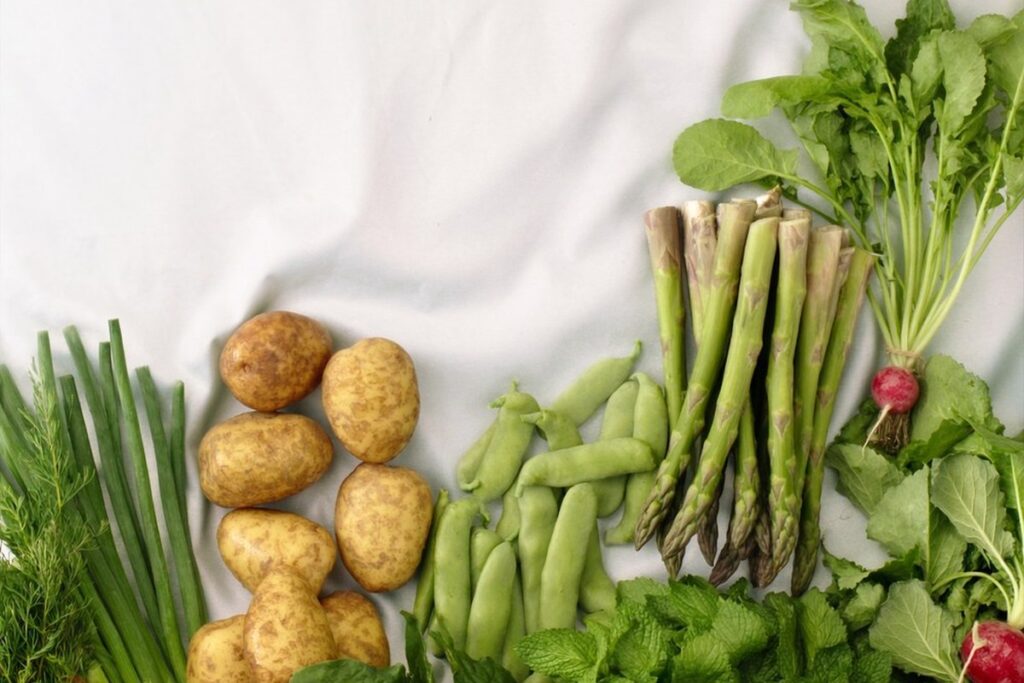
Carrots, beetroot, radishes, parsnips and spring onions can be direct-sown now. Carrots and parsnips dislike being transplanted, so sow them where they’ll grow. Radishes are the fastest reward in the garden and a good way to keep children interested.
Potatoes
Seed potatoes go in from early spring, and the classic timing in much of the country is to plant around now for Christmas new potatoes. One catch worth knowing: the tubers are safe underground, but the foliage is frost-tender. If a late frost is forecast after the shoots emerge, mound soil over them or throw frost cloth on.
Brassicas
Broccoli, cabbage, cauliflower and kale seedlings go in now. Net them — white butterfly arrives with the warm weather and a row of unprotected brassicas will be lace by November.
Wait for these — the frost-tender crops
These die at zero degrees. Nothing is gained by planting them early: a tomato put into 10°C soil sits there sulking and is often overtaken by one planted a fortnight later into warm ground.
- Tomatoes — the crop the whole Labour Weekend tradition is built around.
- Courgettes, pumpkin, cucumber and other cucurbits — fast growers once it’s warm, so there’s no advantage in rushing.
- Beans (climbing and dwarf) — the seed rots in cold wet soil rather than germinating.
- Sweetcorn — needs warm soil and, for decent pollination, a block rather than a single row.
- Capsicum, chilli and aubergine — the most heat-hungry of the lot. In the south they’re realistically a glasshouse crop.
- Basil — collapses at the first cold snap. Plant it with the tomatoes.
- Kūmara — grown from tipu (shoots) into warm soil, so it’s the last thing in. Worth the wait: see our kūmara nutrition guide for what you’re growing.
Soil temperature beats the calendar
The single most useful thing you can do is stop guessing. A cheap soil thermometer — the kind sold for compost — costs about the same as two punnets of seedlings and removes the argument entirely.
As a working rule, the warm-season crops above want soil that has reached roughly 15°C and is staying there, measured in the morning rather than the afternoon. Kūmara wants it warmer still. Air temperature can be deceptive in spring — a run of mild days doesn’t mean the soil has caught up, because soil lags behind air by a fortnight or more.
How to buy yourself three weeks
- Warm the soil first. Clear plastic or weed mat over a bed for two or three weeks before planting lifts soil temperature meaningfully.
- Cloches and frost cloth. A cloche over individual plants, or frost cloth thrown over a row on a clear still night, is the difference between a crop and a replant. Clear, still nights are the dangerous ones — cloud acts like a blanket.
- Raised beds drain and warm faster than flat ground, which matters most in a wet spring.
- Start seed indoors. Sow about a month before your intended planting-out date and you get the early start without the risk.
- Harden seedlings off. A week of increasing time outdoors before planting out. Seedlings that go straight from a warm glasshouse into a cold bed check badly, and a checked plant rarely catches up.
Spring jobs beyond planting
- Top up the beds. Spring is the moment for compost. If you’d rather not dig it in, our no-dig gardening guide covers layering on top instead.
- Plan your seed saving now. Which plants you let go to seed is a decision made at planting, not at harvest — our seed saving guide explains which crops come back true.
- Get perennials in. Spring is a reasonable window for many fruit trees and berries, which is where a backyard food forest starts.
- Mulch after the soil warms, not before. Mulch applied too early insulates cold soil and keeps it cold.
- Watch for slugs and snails. Warm damp spring nights and soft new seedlings are a bad combination.
The bottom line
Get the cool-season crops in now — peas, salad greens, roots, brassicas, potatoes — because they’re already losing time if they’re not. Hold the tomatoes, beans, courgettes and corn until your own last frost has passed, which may be several weeks either side of Labour Weekend depending on where you garden. Buy a soil thermometer. And if you only remember one thing: the plant plunged into cold soil in early October rarely beats the one planted into warm soil three weeks later.
For the other half of the year, our guide to what to grow in a NZ winter covers the cold months.
Sources and further reading
- Tui: Tomato growing guide — national planting window and the Labour Weekend convention
- Tui: Regional planting calendar
- NIWA — New Zealand’s official source for regional climate and frost records
Regional frost dates in this guide are approximations drawn from published regional averages and are intended as a starting point only. Microclimate, aspect and elevation can shift your actual last frost by several weeks. Information current as of September 2026.