Quick answer: New Zealand’s best wellness experiences in 2026 include thermal hot pools (Hanmer Springs, Polynesian Spa, Hell’s Gate), cold plunge therapy (home tubs from NZ$159; studio circuits in Auckland and Wellington), full wellness retreats (Treetops Lodge, Rosewood Kauri Cliffs), and biohacking services (contrast therapy, float tanks, red light therapy). NZ’s geothermal landscape gives it a genuine advantage as a global wellness destination that no amount of money can replicate elsewhere.
New Zealand is genuinely one of the best countries in the world for wellness experiences. The reasons are specific: we sit on a Pacific Ring of Fire hotspot that provides natural geothermal resources unique to this part of the world; we have some of the most pristine natural environments on the planet; and the country’s culture genuinely values restorative time in nature and slowing down.
Whether you’re after a day soak in a thermal hot pool, a transformative weekend yoga retreat, a cold plunge circuit in Auckland, or building a home recovery setup — this is your complete guide to wellness experiences across Aotearoa.
NZ’s Geothermal Wellness Advantage
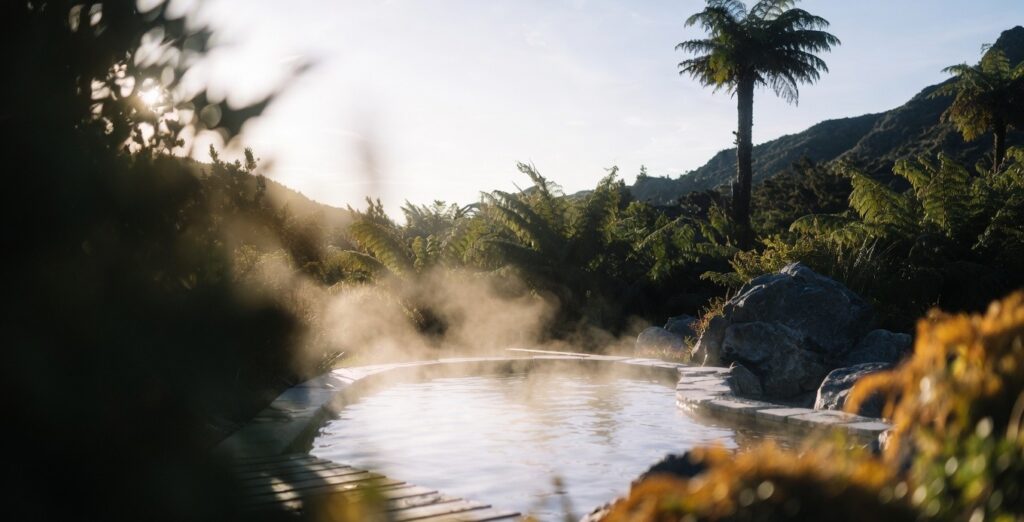
New Zealand sits on one of the world’s most active volcanic zones. The same geothermal activity that makes parts of Rotorua smell of sulphur has produced mineral-rich thermal pools used therapeutically by Māori for generations — and now accessible to everyone from visitors to locals.
These aren’t manufactured spa experiences: they’re natural geothermal waters with genuine mineral content (silica, lithium, sulphur, magnesium, and trace minerals) that have measurable effects on skin health, stress response, and musculoskeletal conditions. A 2017 systematic review of balneotherapy (mineral hot pool bathing) found significant reductions in pain and improvements in quality of life for musculoskeletal conditions, with measurable cortisol reduction from regular soaking.
This is a competitive advantage for NZ wellness tourism that is completely unique to our geography. Countries with excellent yoga retreat scenes, biohacking facilities, and luxury lodges are relatively common. Countries where you can soak in naturally geothermal mineral waters of this quality are not.
Before You Bathe: Untreated Geothermal Water Safety
Read this before visiting any natural or untreated geothermal pool in New Zealand. Untreated geothermal water can contain naturally occurring organisms, including the amoeba that causes primary amoebic meningoencephalitis — a rare but almost always fatal brain infection. The amoeba does no harm if swallowed; the risk comes from water going up your nose.
The standing New Zealand public health advice is simple: keep your head above the water. Do not duck under, dive, jump in or put your face in the water, and keep water out of your nose. Do not let children dunk each other. Health New Zealand publishes this as “Keep your head above water” (HE1243), and Te Whatu Ora’s Communicable Disease Control Manual guidance on primary amoebic meningoencephalitis sets out the clinical background. This applies to wild sites and to commercially operated pools fed by untreated geothermal water alike. If you develop a severe headache, fever, stiff neck, nausea or confusion in the days after a geothermal soak, seek medical help immediately and say you have been in a geothermal pool.
Prices in this guide were checked against each operator’s or brand’s own website in September 2026. Prices, models and opening hours change — confirm directly before you book or buy.
Hot Pools and Thermal Bathing NZ
Thermal bathing has one of the strongest evidence bases of any wellness practice: mineral-rich hot water immersion improves blood circulation, reduces cortisol, relaxes musculature, and — in geothermal waters with specific mineral compositions — provides demonstrable skin and anti-inflammatory benefits.
The Best Hot Pool Experiences in NZ:
Hanmer Springs Thermal Pools, Canterbury — The South Island’s premier thermal destination. Set in alpine surrounds with multiple pool temperatures, private pools available, and the charming Hanmer Springs township on the doorstep for post-soak dining. Adult day entry is NZ$40 on the online saver pass or NZ$43 on the flexi pass; private pool rates are not published online, so ring ahead if you want one. The combination of alpine air and warm mineral water is genuinely restorative.
Polynesian Spa, Rotorua — One of the world’s most iconic hot spring experiences. Private lake pools with alkaline mineral waters overlooking Lake Rotorua. The contrast of soft, mineral-rich water and the stunning lake setting makes this a bucket-list NZ experience. Pavilion Adult Pools from NZ$54.95; the adult-only Deluxe Lake Spa from NZ$85. Private pools are cheaper than the headline suggests — Sky View private pools from NZ$42.95 and Lake View private pools from NZ$59.95 for a 45-minute soak.
Hell’s Gate, Rotorua — NZ’s most geothermally active reserve, with genuine therapeutic mud bath and sulphur spa treatments using the natural thermal environment. The sulphur smell, while intense on arrival, fades quickly as you settle in. The geothermal walk is NZ$45; Mud Bath and Spas NZ$90; the combined Hell’s Gate Experience, which takes in all three, NZ$115. This is natural geothermal water — keep your head above it while soaking.
Wairakei Terraces, Taupō — Silica terraces and geothermal mineral pools in a striking setting. Worth knowing how this one was made: the terraces are engineered rather than a natural formation, built as a tribute to the Pink and White Terraces lost in the 1886 Tarawera eruption, and fed by geothermal water piped from the Wairakei power station bore field. The silica itself then deposits naturally as the water cascades. Four pools at four different temperatures, all adults only. Day visit format.
Maruia Hot Springs, Lewis Pass — Remote alpine valley hot springs with Japanese-influenced cedar architecture, on State Highway 7 at Lewis Pass (Tourism New Zealand lists it under the West Coast region, not Nelson/Tasman). One of NZ’s most peaceful hot pool experiences, and home to what the operator says is New Zealand’s largest sauna. A full Day Retreat is NZ$99 for an adult and the Twilight session NZ$79; the shorter Sauna and Bathe pass and the on-site accommodation are priced through their booking system rather than published on the site.
Ōrākei Kōrako Hidden Valley, Taupō — To be clear about what this one is: it is a geothermal viewing park, not a bathing facility. There is no public bathing. You reach it by ferry and walk boardwalks past up to 23 active geysers, hot springs, mud pools and some of the largest silica terraces in the world, plus the Ruatapu Cave. Less visited than the Rotorua options and genuinely spectacular. Adult entry NZ$57.
For the full guide with booking tips, seasonal advice, and cost breakdowns: Best Hot Pools NZ 2026
Cold Plunge and Ice Bath Therapy NZ
Cold water immersion has moved from elite sport recovery to mainstream wellness practice — and for good reason. Research by Dr Susanna Søberg and others has identified the specific mechanisms behind cold exposure benefits: a single cold plunge at 14°C or below triggers norepinephrine release of up to 300%, lasting 3–4 hours; regular cold exposure builds stress resilience through hormetic adaptation; and cold immersion post-exercise reduces muscle soreness and systemic inflammation.
NZ Cold Plunge Options:
Studios and Facilities:
Several dedicated contrast therapy studios have opened in Auckland and Wellington, offering structured sauna + cold plunge circuits (typically 10–15 mins sauna, 2–5 mins cold plunge, repeated 2–3 rounds). Float Culture in Auckland offers a sauna and cold plunge circuit alongside its float tanks.
Home Cold Plunge:
- Budget option (NZ$200–800): Stock tanks, chest freezers modified for cold plunge, or basic inflatable tubs used with ice. Functional if you’re committed to the practice.
- Purpose-built tubs (from NZ$159): Dedicated cold plunge tubs designed for the job, with better insulation and drainage — the NZ-made Freeze Tub Solo starts at NZ$159, with larger and rigid-shell models above that.
- Premium (NZ$3,000–8,000+): Chiller-equipped cold plunge tubs that maintain a set temperature without ice. Most convenient for daily practice.
Cold Exposure Protocol for Beginners:
Start with cold showers — 30–60 seconds of cold water at the end of a warm shower. Progress to 2-minute full cold showers. Then move to cold plunge if desired: start at ambient cold tap temperature and work toward consistent 2–4 minute immersions at 10–15°C, 3–5 times per week. Benefits compound with consistency. Never cold plunge alone, and avoid if you have cardiovascular conditions (consult your GP first).
Complete NZ guide with product reviews and studio listings: Cold Plunge NZ 2026
Wellness Retreats NZ
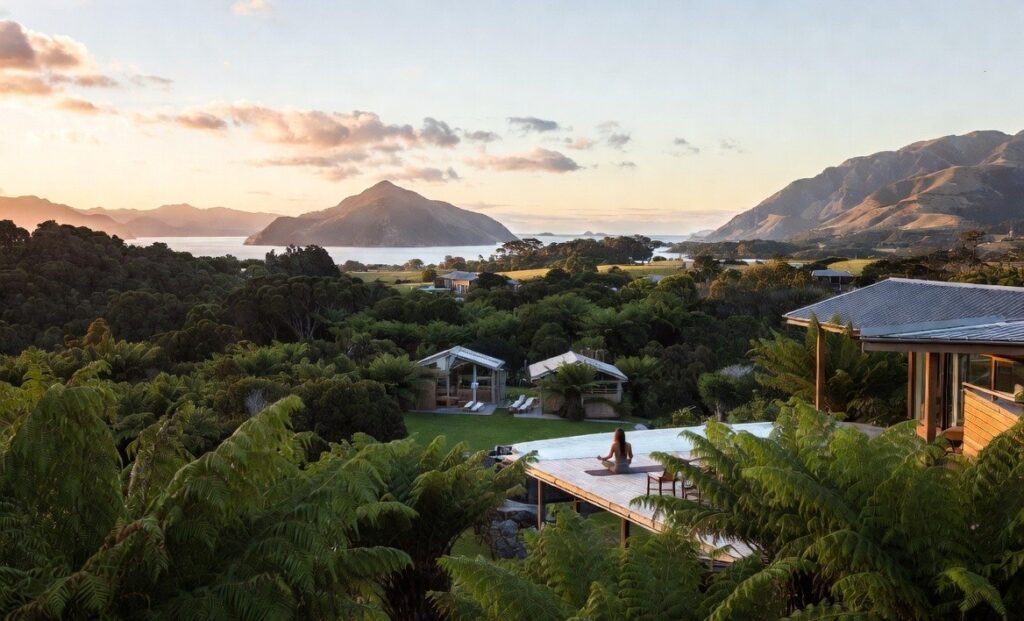
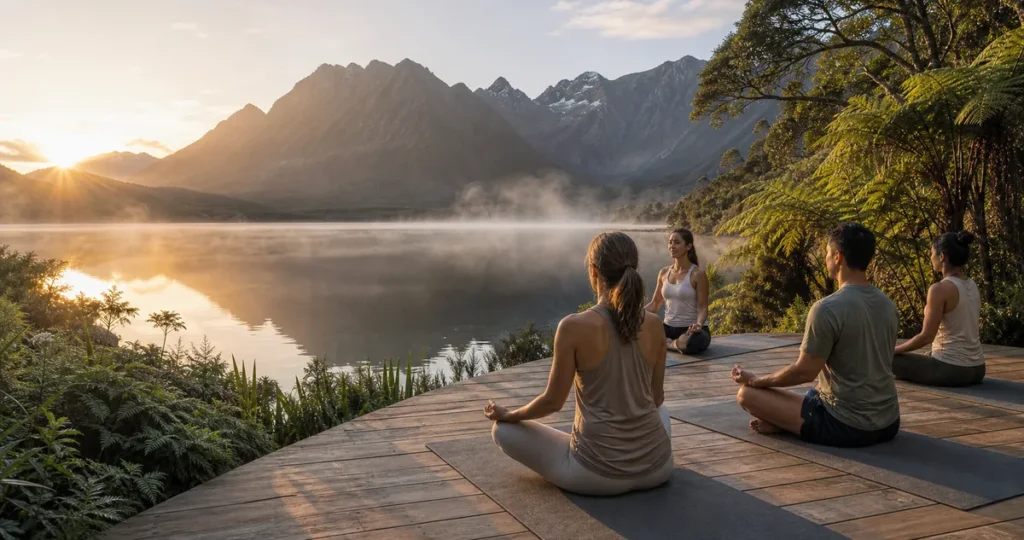
A genuine wellness retreat is distinct from a holiday: it’s a structured period of restoration, typically combining therapeutic treatments, movement, nutrition, and genuine disconnection. New Zealand’s landscape — native bush, coastal clifftops, geothermal regions, alpine valleys — makes it one of the world’s most compelling retreat settings.
Best NZ Wellness Retreats by Category:
Best Yoga and Mindfulness Retreats:
Waihi Retreat, Waihi (Bay of Plenty) — Based at the Waihi Academy on Landlyst Road in Waihi, this centre runs a series of one-day wellness retreats drawing on Traditional Chinese Medicine alongside modern holistic practice, guided by TCM practitioners. Programmes include a body–mind balance retreat built around acupoints, and a Zen Flow day combining yoga, mudra, meditation and rejuvenation qigong, plus community wellness days offering acupuncture, sound therapy and tai chi. Pricing is not published on their site — enquire directly.
Northland’s warm climate and natural beauty make it one of NZ’s best retreat settings, particularly for spring and autumn programmes. For yoga retreats specifically, the Yoga New Zealand teacher directory is the most reliable starting point for finding a qualified operator in the region.
Best Luxury Wellness Lodges:
Rosewood Kauri Cliffs, Matauri Bay, Northland — Now operating under the Rosewood Hotels brand (it was previously just “Kauri Cliffs”). Consistently ranked among the world’s finest lodges, with a spa set in native bush — sauna, jacuzzi and heated pool included — a championship par-72 golf course, and an extraordinary coastal setting. Rates are not published online and are quoted on enquiry, but this sits firmly at the premium end of the market.
Treetops Lodge, Rotorua — 2,500 acres of privately held native bush, a Forest Spa that integrates traditional Māori healing practice (including the Kaha Ra Mirimiri technique) alongside contemporary treatments, private outdoor hot tubs set among the trees, and exceptional guiding for forest walks. Note that the hot tubs are just that — the estate does not have natural geothermal pools of its own, despite being near Rotorua. One of NZ’s most special retreat settings, and priced accordingly: Tourism New Zealand lists rates of roughly NZ$2,400–5,400 per night in low season and NZ$2,860–9,240 in high season, inclusive of dinner and breakfast.
Best Value Wellness Getaways:
Maruia Hot Springs, Lewis Pass — Natural geothermal hot springs in a remote alpine valley with Japanese-influenced cedar architecture and genuine peace and quiet. Accommodation on site with excellent communal hot pool facilities. A full Day Retreat is NZ$99 for an adult, the Twilight session NZ$79; accommodation is quoted through their booking system rather than published. Still one of the more affordable ways to get a genuine retreat experience.
Polynesian Spa, Rotorua — The Pavilion Adult Pools from NZ$54.95 are exceptional value for the quality, and a Sky View private pool starts at NZ$42.95. Combine with Rotorua accommodation for an affordable multi-day wellness stay without lodge prices.
Planning Tips for NZ Wellness Retreats:
- Book shoulder season (March–May, September–October) for fewer crowds, better availability, and often lower pricing
- Stay at least two nights — one night doesn’t allow genuine decompression
- Go phone-free for at least part of the stay — the compounding benefits of true disconnection are well-documented and significant
- Tell the retreat your goals and any health considerations upfront — good operators will customise programmes when they understand what you’re working on
Complete guide: Best Wellness Retreats NZ 2026
Recovery and Biohacking NZ
Biohacking — using evidence-based tools to optimise recovery, performance, sleep, and wellbeing — has moved well beyond its Silicon Valley origins. Several highly evidence-backed modalities are now accessible in NZ:
Contrast Therapy (Sauna + Cold Plunge)
The most evidence-backed active recovery modality currently available. Alternating between infrared sauna (45–60°C) and cold plunge (5–15°C) creates a vascular pumping effect — rapid vessel dilation and constriction — that dramatically improves peripheral circulation, reduces systemic inflammation, and triggers beneficial hormonal responses including norepinephrine and growth hormone release. The research supports 2–3 rounds of 10–15 minutes sauna, 2–5 minutes cold, as the optimal protocol. For the heat half of the circuit, see what the research says about infrared sauna benefits. Available at dedicated studios in Auckland and Wellington; or invest in home equipment. Be realistic about the cost of the heat half: barrel saunas from Alpine Spas currently run NZ$9,995 for the 4–6 person Traditional Barrel up to NZ$17,995 for the wood-fired Vista XL. The cold half is far cheaper — a Freeze Tub Solo starts at NZ$159.
HRV (Heart Rate Variability) Tracking
HRV measures the variation in timing between heartbeats — a proxy for autonomic nervous system health and recovery status. Higher variability indicates better stress resilience and recovery. The Oura Ring (now on the Oura Ring 5 — the Gen 3 many older guides still recommend is two generations behind), Whoop (now the Whoop 5.0 and Whoop MG; the 4.0 is no longer sold, and memberships start at US$199/year), and most Garmin wearables provide accurate daily HRV tracking. Check current NZ pricing directly with each brand, as it moves with each model release. Using this data to guide training intensity — reducing output on low-HRV days — prevents overtraining and improves long-term performance outcomes.
Red Light Therapy (Photobiomodulation)
Specific wavelengths of red and near-infrared light (630–850nm) stimulate mitochondrial function via cytochrome c oxidase. Clinical evidence supports benefits for muscle recovery acceleration, skin health, inflammation reduction, and sleep quality (when used in the morning or early afternoon, not before bed). Home panels from brands like PlatinumLED and Joovv are sold direct by the manufacturers rather than through general supplement retailers, so buy from the brand or an authorised NZ stockist and confirm shipping before ordering. Third-party power output testing is important — the home device market has significant quality variation.
Float Tanks (Sensory Deprivation)
Floating in a salt-saturated solution (typically 550kg of Epsom salt) at skin temperature in complete darkness and silence produces a uniquely deep relaxation state. Research supports significant cortisol reduction, pain relief (particularly for chronic pain), and post-session sleep quality improvement. Float Culture operates in Auckland only — a single centre at 12 Water St, Grafton, which also runs a “Fire & Ice” sauna and cold plunge circuit. Single session pricing is not published; the advertised introductory offer is four sessions for NZ$240. Ideal for high-stress periods or as a periodic deep recovery tool — not a daily practice for most people.
Complete NZ guide with availability, costs, and evidence summaries: Recovery and Biohacking NZ 2026
Home Wellness NZ
You don’t need to travel or visit a studio for every wellness experience. A well-designed home environment supports recovery and wellbeing on a daily basis — and over time produces compounding results. Key home wellness investments for NZ residents:
Sleep Environment (Highest ROI)
Sleep quality is the single most impactful factor for physical recovery and mental health. High-priority home investments: blackout curtains (especially important for NZ summer mornings), quality blue-light blocking glasses (amber lens, not clear) worn after sunset, and a weighted blanket (7–12% of body weight) if anxiety or restless sleep is an issue.
Cold and Heat at Home
For serious recovery: a barrel sauna (NZ$9,995–17,995 from Alpine Spas, depending on size and whether it is electric or wood-fired) and a cold plunge tub (from NZ$159 for a Freeze Tub Solo) in the garden creates a complete contrast therapy circuit available daily. The investment pays off for those who use it consistently. Cabin sizes, running costs and buying checks are covered in our home infrared sauna buying guide.
Movement Space
Designating even a small corner of your home as a movement and meditation space changes frequency of use. A quality yoga mat (see Sustainable Activewear NZ), a meditation cushion, and resistance bands are enough to support a consistent daily practice without a gym.
Complete home wellness guide: Home Wellness NZ 2026
NZ Wellness Regions Guide
Rotorua — NZ’s unrivalled thermal wellness hub. Multiple world-class hot pool experiences (Polynesian Spa, Hell’s Gate, Waikite Valley Hot Pools), geothermal mud treatments, Māori healing traditions, and luxury lodge options (Treetops Lodge) all within easy reach. Note that the historic Blue Baths in the Government Gardens, which older guides still list, is closed to public bathing and operates as an events venue. Best for: thermal and cultural wellness experiences.
Taupō / Central Plateau — Geothermal bathing at Wairakei Terraces and the AC Baths — worth knowing that both use geothermal water in engineered settings rather than being wild hot springs, the AC Baths being the Taupō District Council aquatic centre — plus stunning lake and volcanic landscape and a relaxed pace. Excellent base for a multi-day wellness itinerary. Best for: thermal bathing combined with outdoor adventure.
Hanmer Springs, Canterbury — The South Island’s premier thermal destination. Alpine setting, excellent pools with multiple temperature zones, good dining in the village. Best for: South Island weekend retreat itineraries.
Northland — Long summer season, stunning native bush and coastline, excellent luxury lodge options (Rosewood Kauri Cliffs at Matauri Bay), and a growing yoga retreat scene around Kerikeri and the Bay of Islands. Best for: luxury wellness escapes and yoga retreats.
Hawke’s Bay — Wine country, beautiful art deco architecture in Napier, and excellent food. Good year-round weather. Best for: combining a wellness stay with quality food and wine culture.
Nelson/Tasman — Three national parks, the sunshine capital of NZ, and a thriving arts and food scene. Best for: outdoor wellness activities. Maruia Hot Springs is often filed under this region but actually sits south of it, on State Highway 7 at Lewis Pass.
Frequently Asked Questions
What are the best hot pools in NZ for a first-time visitor?
Polynesian Spa in Rotorua is the most iconic and consistently excellent NZ hot pool experience for visitors. Hell’s Gate provides a more dramatic and unique geothermal experience. For the South Island, Hanmer Springs is the clear first choice. Budget-conscious: Maruia Hot Springs offers exceptional value and is a genuinely special experience.
Is cold plunge safe for everyone?
Cold water immersion is contraindicated for people with cardiovascular conditions, Raynaud’s disease, or cold urticaria. Anyone with heart conditions should consult their GP before starting cold plunge therapy. Healthy adults should start gradually — cold showers first, then brief immersions, progressively working toward longer exposures. Never cold plunge alone.
What’s the difference between a spa and a hot spring in NZ?
A natural hot spring uses geothermal water directly from the earth — Hell’s Gate, Maruia Hot Springs and Waikite Valley Hot Pools are genuine natural hot springs. Others use real geothermal water in an engineered setting: Wairakei Terraces is fed by water piped from the Wairakei power station bore field, and the AC Baths in Taupō are a council aquatic centre using geothermally heated water. Many NZ facilities also blend geothermal water with conventionally heated water for temperature management. Genuine geothermal mineral content is what provides the therapeutic edge — and untreated geothermal water is also where the head-above-water advice above applies.
How do I find a reputable wellness retreat in NZ?
Tourism New Zealand’s website and booking platforms with verified reviews (booking.com, direct lodge websites) are the best starting points. For yoga retreats specifically, Yoga New Zealand has a member directory of registered teachers and schools. Look for retreats with clearly described programmes, qualified practitioners, and transparent pricing — and treat any operator whose website will not tell you what a stay costs with some caution.
What is contrast therapy and where can I access it in NZ?
Contrast therapy alternates between heat (sauna at 45–60°C) and cold (cold plunge at 5–15°C), typically 2–3 rounds of 10–15 minutes heat and 2–5 minutes cold. The alternation drives vascular pumping and hormonal responses that improve recovery. Dedicated studios are available in Auckland and Wellington. Many gyms with sauna and cold pool combinations offer a version of this. For home setup, see: Cold Plunge NZ 2026
Can I do a meaningful wellness retreat on a budget in NZ?
Yes. Waikite Valley Hot Pools (NZ$27.50 adult entry), Polynesian Spa (Pavilion Adult Pools from NZ$54.95) and Tekapo Springs (NZ$39 all-day adult pass) all offer genuine value, and Maruia’s Twilight session is NZ$79. Combining a hot pools day visit with two nights in quality Rotorua or Hanmer accommodation gives you a restorative weekend without lodge pricing. Your accommodation, not the bathing, will be the main cost.
The Bottom Line
New Zealand’s wellness experience landscape is genuinely world-class — a combination of unique geothermal resources that exist nowhere else on earth, pristine natural environments, and a growing ecosystem of high-quality retreat and recovery facilities.
Whether you’re planning a transformative weekend retreat in native bush, building a daily cold plunge practice, or simply looking for the best hot pool experience on your next road trip — Aotearoa delivers. Explore each category guide below for detailed recommendations, booking tips, and NZD pricing.
Some links on ThrivingKiwi may earn us a small commission if you buy through them, at no extra cost to you. Paid links are marked as sponsored.