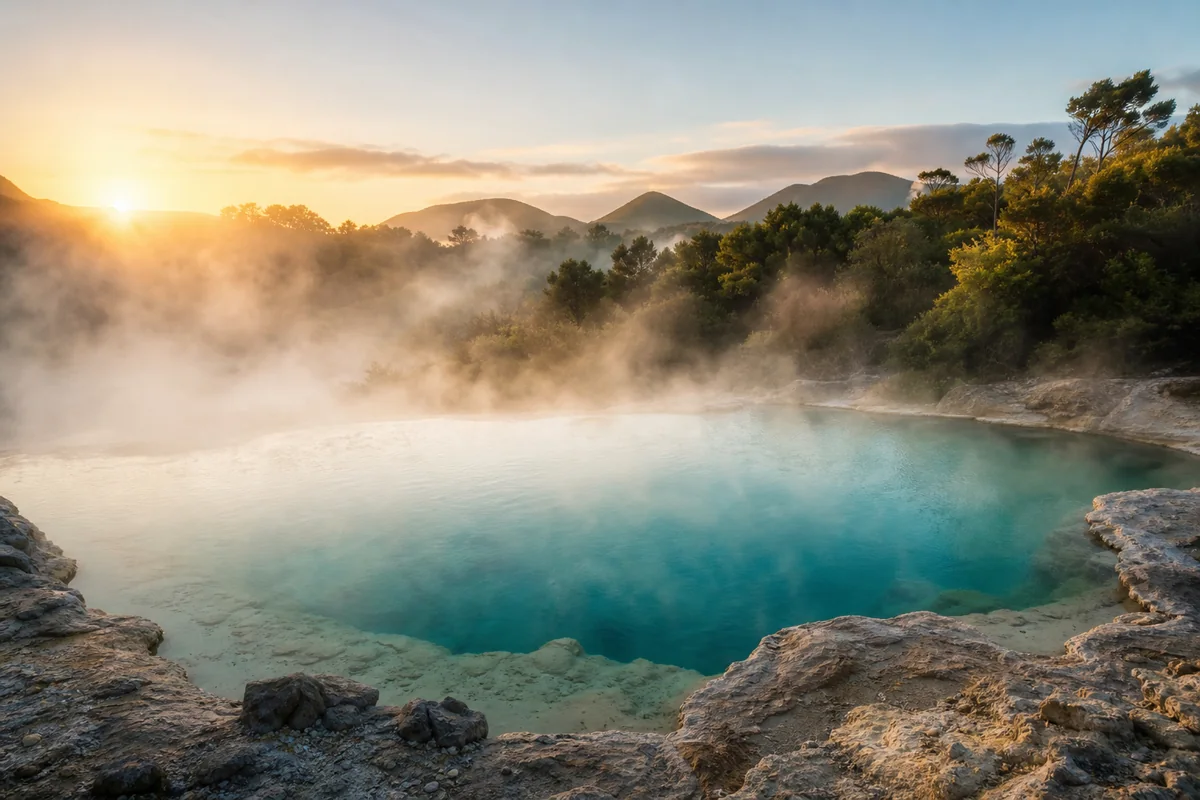
Rotorua is unlike anywhere else in New Zealand for wellness. The earth literally steams here. Geothermal energy heats the water, minerals saturate the pools, and the Māori connection to this land adds a cultural depth that turns a spa visit into something genuinely meaningful.
Whether you’re planning a weekend escape or a dedicated wellness retreat, this guide covers the best of what Rotorua has to offer in 2026. If you’re still deciding which part of the country to soak in, our guide to New Zealand’s best hot pools covers the rest of the map.
All prices below were checked directly with the operators in September 2026. Thermal operators change their pricing more often than you’d expect, so treat these as a guide and confirm at the point of booking.
Why Rotorua for Wellness?
The Taupō Volcanic Zone runs through the centre of the North Island, and Rotorua sits squarely above one of its most active geothermal systems. Natural hot springs bubble up throughout the region, many carrying dissolved minerals with genuine therapeutic properties: sulphur for skin, silica for softness, magnesium for relaxation, and sodium chloride for joints.
For tangata whenua — the local Māori iwi — these waters have been sources of healing, sustenance, and ceremony for centuries. Experiencing them with this context deepens the visit beyond a simple spa day.
Best Thermal Bathing in Rotorua
Polynesian Spa
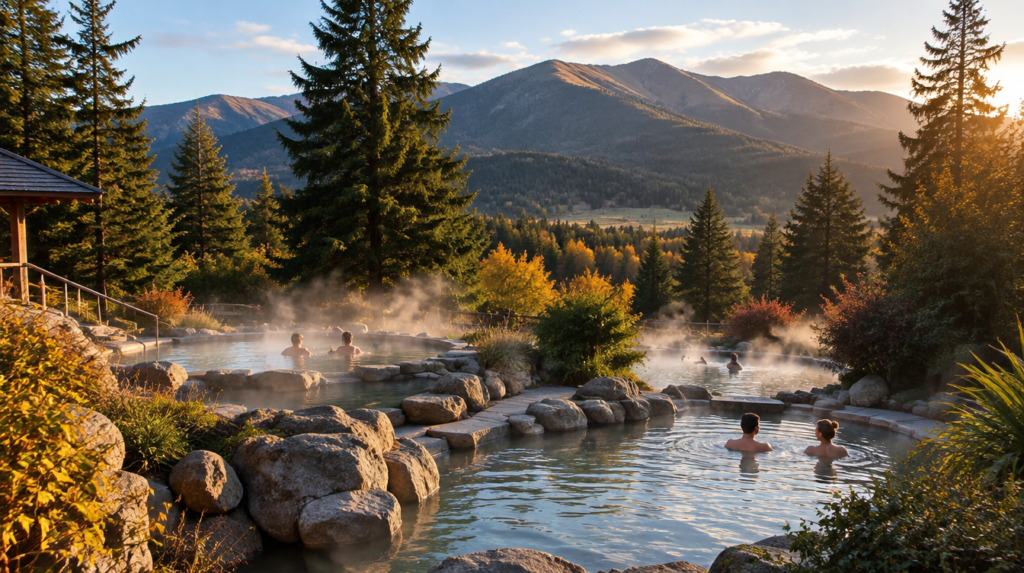
The flagship thermal bathing experience in Rotorua. Polynesian Spa has twenty-eight pools fed by two mineral springs, and the difference between them matters: the acidic, sulphate-rich Priest Spring is the one people go to for tired muscles and aching joints, while the alkaline Rachel Spring is rich in sodium silicate and is the one for skin.
Book the Deluxe Lake Spa for an elevated experience — five mineral pools set in native rock gardens, geothermally heated recliners, and a cold plunge if you want to run hot and cold, from NZ$85 per person with unlimited soaking time. It was previously called the Lake Spa Retreat; the name changed, the pools didn’t. If that’s more than you want to spend, the adult-only Pavilion pools are from $54.95 and the family pools from $32.95. The Polynesian Spa also runs a full treatment menu — massage, facials, Aix hydrotherapy and mud wraps — with packages from around $219.
Waikite Valley Thermal Pools
Thirty minutes south of central Rotorua, Waikite Valley is the honest alternative to the main tourist sites. Six outdoor pools in a quiet rural setting, plus private pools you can book separately. The water comes from Te Manaroa Spring — the largest single source of boiling water in the country, arriving at 99°C — and it isn’t treated with anything on the way to the pools, just cooled.
Adults $27.50, children five to fifteen $14.20, or $73.50 for two adults and two kids. Open seven days, 10.30am to 8pm, last entry 7pm. Worth knowing if you’re planning ahead: they close for annual maintenance from 9 to 23 February 2027 and reopen on the 24th.
Kerosene Creek (Free Natural Pool)
A naturally heated stream that forms a series of shallow pools in bush surroundings, free to use, water sitting somewhere around 35–40°C. The setting — native forest, birdsong, steaming water — is genuinely lovely. It is also completely unmanaged: no facilities, no staff, no lifeguard, no water testing.
Two things you need to know before you go. First, keep your head above the water. Untreated geothermal water in New Zealand can carry the amoeba that causes amoebic meningitis — rare, but it can kill you — and the standing public health advice is not to submerge your head or let water up your nose. Health New Zealand’s guidance is published as Keep your head above water. Second, don’t leave anything in your car. Theft from vehicles at the Old Waiotapu Road parking area has been a persistent problem for years.
Access is off Old Waiotapu Road, unsealed, across private forestry land where public access is permitted rather than guaranteed. That road has been closed at short notice before, and there is no official page that will tell you its current state. Ask at your accommodation or the i-SITE on the day rather than driving out on the strength of a blog post — including this one.
Hell’s Gate Geothermal Park & Mud Spa
Hell’s Gate is one of the few places in the country where you can bathe in geothermal mud. The volcanic mud is rich in sulphur and silica, and the operator traces local Māori use of it back more than 800 years. A guided geothermal walk followed by the mud bath and sulphur spa is a genuinely unusual way to spend an afternoon.
The full Hell’s Gate Experience — geothermal walk, mud bath, sulphur spa and cool plunge pool — runs about three hours and costs NZ$115 per adult. If you only want the mud and the spa it’s $90. The geothermal walk on its own is $45.
Premium Wellness Retreats in Rotorua
Solitaire Lodge
An intimate nine-suite lodge on the shores of Lake Tarawera, and one of New Zealand’s genuinely exclusive properties. The wellness angle at Solitaire Lodge isn’t a treatment room — it’s the setting: freestanding baths, some positioned outside looking over the lake, and walking access to the natural thermal springs around Tarawera. Rates aren’t published, but expect well north of NZ$1,200 a night on a full-board tariff.
This is a special occasion destination rather than a spa day. If a dedicated, treatment-led retreat is what you’re actually after, our roundup of New Zealand wellness retreats is a better starting point.
Wai Ora Lakeside Spa Resort
Wai Ora is a lakeside resort on Lake Rotorua with an on-site day spa — massage, facials and treatments — plus jacuzzi access for guests. Worth a look if you want treatments and a bed in the same place. Be clear on what it is, though: a treatment spa, not a geothermal one. The mineral bathing is elsewhere.
Pullman Rotorua — Central Base, But Check What You’re Getting
The Pullman is a good central Rotorua base — 130 rooms and suites, a gym, a decent restaurant and bar, and a short walk to the lakefront and the Polynesian Spa. What it doesn’t have is a pool, a sauna, or thermal water of its own.
The day spa at the hotel is Massage Eden, an independent operator with a clinic in the building: 60-minute massage from $129, facials from $69, infrared sauna from $28. That’s a perfectly good treatment room, but it isn’t a hotel spa and there’s no bathing attached to it. Book the Pullman for the location, not the facilities.
Beyond Bathing: Rotorua’s Broader Wellness Landscape
Redwood Forest (Whakarewarewa)
The Redwoods on the edge of Rotorua is one of New Zealand’s great accessible forest experiences. Towering California redwoods create cathedral-like spaces — well suited to shinrin-yoku, or forest bathing. Walking tracks range from 30-minute loops to multi-hour backcountry trails.
Access to the main trails is free. The Redwoods Treewalk canopy walkway is ticketed at $45 for adults, and from September 2026 the Nightlights walk requires you to book a specific date and time rather than just turning up.
Māori Cultural Experiences
Te Puia, Mitai Māori Village and Te Pā Tū (formerly Tamaki Māori Village) all run evening cultural experiences combining Māori performing arts, storytelling and a meal. Mitai and Te Pā Tū both centre on a hāngī; Te Puia’s evening programme is a restaurant dinner alongside the tour and performance. Mitai is NZ$169 an adult. Te Pā Tū doesn’t publish a rate online, so you’ll need to ask them directly.
These experiences provide genuine cultural context for the geothermal landscape and the significance of the hot springs to tangata whenua. Well worth including for perspective and depth — we cover more of this ground in our guide to wellness experiences around New Zealand.
Mountain Biking and Trail Running
Rotorua’s Whakarewarewa forest is one of the best mountain biking destinations in the Southern Hemisphere, with around 150km of purpose-built trails and still growing — the Redwoods’ own count and Rotorua NZ’s don’t quite agree, which tells you something about how fast the network is being added to. Trail running through native forest with geothermal steam venting in the background is a uniquely Rotorua experience. Active days and therapeutic bathing go together well here.
Where to Stay for a Wellness Focus
- Solitaire Lodge — ultra-luxury, Lake Tarawera, nine suites. For a truly special occasion.
- Wai Ora Lakeside Spa Resort — lakeside, with a day spa on site for treatments.
- Pullman Rotorua — central, comfortable, well run. No pool or thermal water on site.
- Treetops Lodge & Estate — a 2,500-acre wilderness estate just under 20 minutes from Rotorua. Exceptional for those wanting total natural immersion.
- Holiday homes near Waikite Valley — for self-guided thermal bathing at a fraction of resort prices.
Practical Tips
- Book Polynesian Spa’s Deluxe Lake Spa in advance — it sells out on weekends.
- At Kerosene Creek, keep your head above the water and leave nothing in your car.
- Visit Kerosene Creek early morning or late afternoon for the quietest conditions.
- Two nights minimum to do Rotorua wellness justice (compare Rotorua accommodation).
- Pack dark-coloured swimwear — sulphur mineral water can discolour light fabrics, and mud is worse.
- Hydrate well throughout. Thermal bathing is dehydrating.
The Bottom Line
Rotorua is genuinely world-class for wellness tourism — not because of fancy branding, but because the earth here does something extraordinary. Combine thermal bathing, forest immersion, and Māori cultural experience for a wellness trip that no other destination in New Zealand can match. Whether you’re spending $27.50 at Waikite Valley or well over a thousand a night at Solitaire, the fundamental experience — healing in geothermal water on the Taupō Volcanic Zone — is the same.
Affiliate disclosure: Some links on ThrivingKiwi may earn us a small commission if you buy through them, at no extra cost to you. Paid links are marked as sponsored. We only recommend products we genuinely believe are worthwhile.