Biohacking sounds like something from a sci-fi film. In practice, it just means using science and technology to optimize how your body and mind perform. And while some of it is definitely still Silicon Valley territory (no, we’re not going to talk about injecting young blood), a lot of it is genuinely accessible, evidence-backed, and available right here in NZ.
Here’s what’s worth your attention in 2026.
The Core Principles of Smart Recovery
Before we get to the gadgets and the studios, let’s be clear about the fundamentals. No amount of red light therapy compensates for consistently poor sleep. No ice bath fixes chronic overtraining. The basics remain the foundation:
- Sleep quality and quantity — 7–9 hours for most adults, with consistent sleep and wake times
- Nutrition — adequate protein, micronutrients, and hydration. NZ blackcurrants are one of the few whole foods with genuine exercise-recovery research behind them
- Stress management — chronic stress is the enemy of recovery
- Load management — progressive overload, not just more
Got those sorted? Then the following tools can meaningfully amplify your results.
Contrast Therapy — Hot and Cold
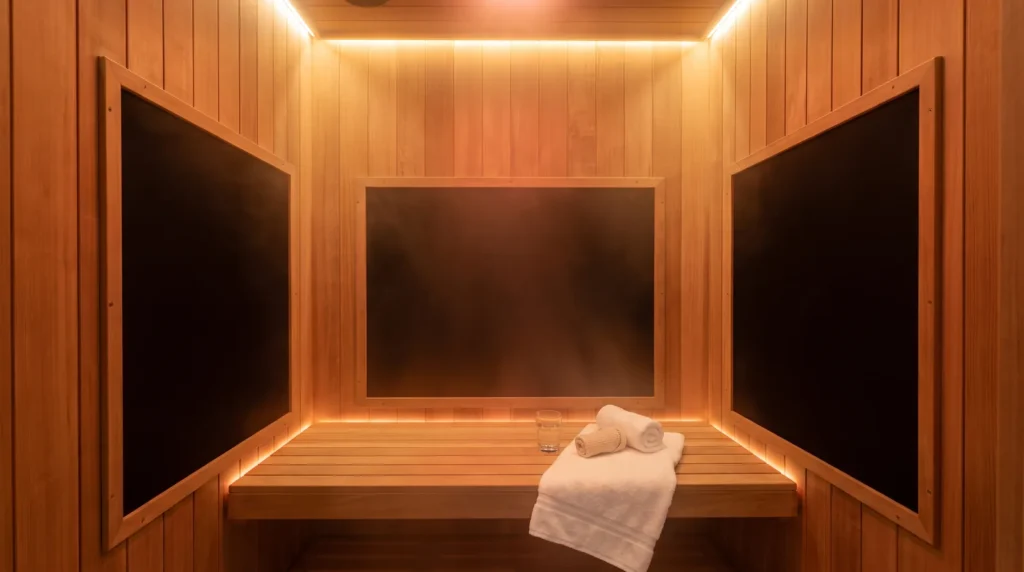
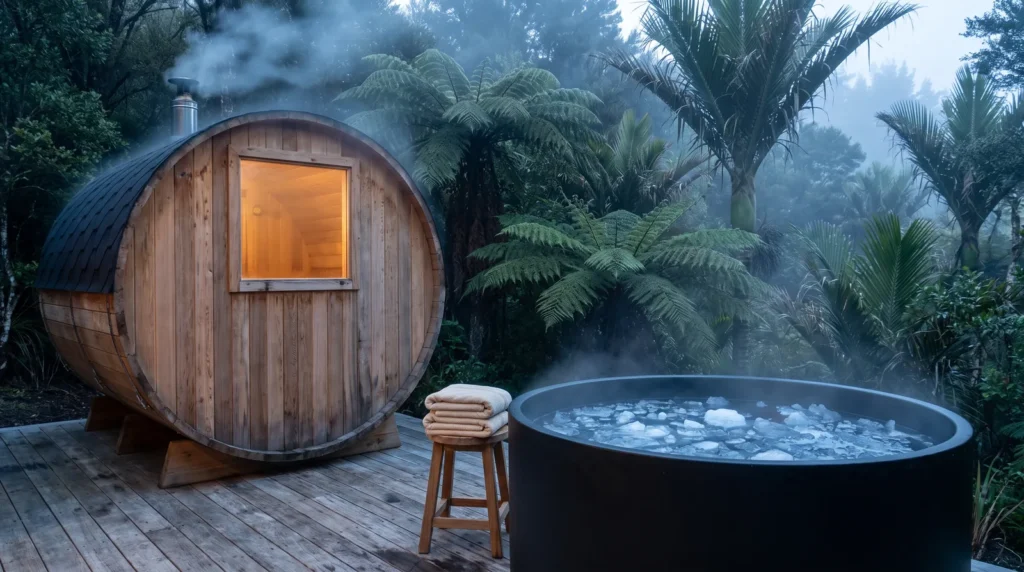
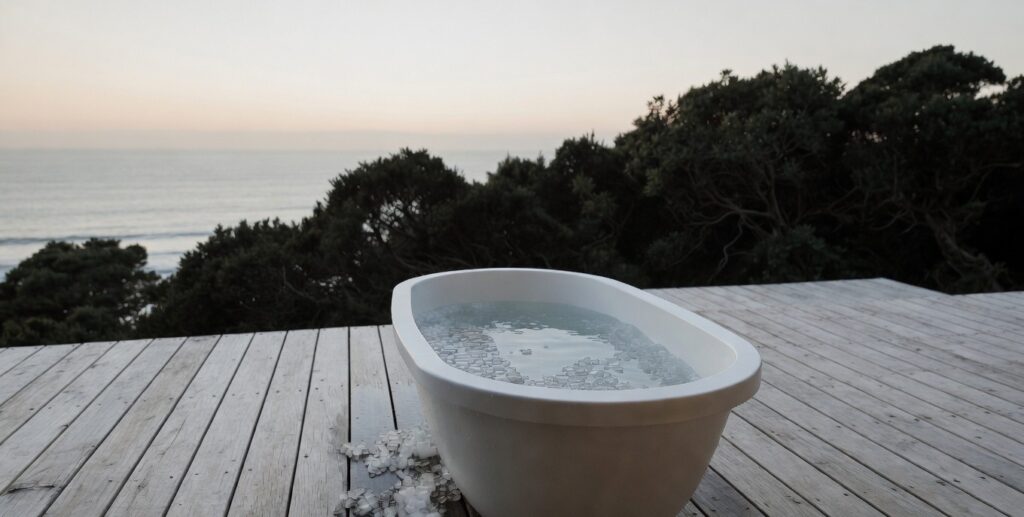
The combination of infrared sauna and cold plunge is a long-established recovery practice and a popular one — though not, as is often claimed, the best-evidenced thing you can do. Alternating between heat (infrared sauna at 50–60°C) and cold (ice bath at 5–15°C) creates a vascular pumping effect — blood vessels dilating and constricting in turn — which is thought to help move metabolic waste out of muscle tissue. What the evidence supports is narrower than the enthusiasm around it: the main pooled analysis (Bieuzen, Bleakley & Costello, PLOS ONE, 2013) found contrast water therapy beats doing nothing after exercise, but found little difference between it and other common recovery methods, including cold immersion on its own. You will also see growth hormone release attributed to contrast therapy — that finding comes from traditional sauna research and has not been demonstrated for infrared-plus-plunge protocols.
Protocol: 10–15 minutes sauna, 2–5 minutes cold plunge, repeat 2–3 rounds. Available at dedicated studios in Auckland and Wellington (see our Infrared Sauna Auckland guide) or invest in home equipment.
Before You Start: Safety with Heat and Cold
Contrast therapy is the first thing recommended on this page, and it is also the part that carries genuine physiological risk. None of the following is complicated, and it is worth reading once, properly, before your first session.
- Never plunge alone. This applies at home as much as at a facility. Have someone with you, or at the very least within earshot and aware of what you are doing. Cold water can take the strength out of your hands and arms within seconds, and a plunge tub is deep enough to drown in.
- Get in slowly and stay in control. Hitting cold water sets off the cold shock response — an involuntary gasp followed by fast, uncontrolled breathing you cannot simply decide to stop. It is the mechanism behind most cold-water incidents, and it is the reason you lower yourself in rather than jump. Breathe out as you enter, and let your breathing settle before you do anything else.
- The hot-to-cold transition is the demanding bit. Going from a sauna straight into a 5–15°C plunge asks a lot of your heart and blood vessels in a very short space of time. If you are new to it, take a minute or two at room temperature between the two rather than going straight across.
- Heat is work, not rest. A sauna raises your heart rate much as light exercise does. Hydrate before and after, and get out if you feel faint, dizzy or unwell.
- No alcohol before or during either the heat or the cold. It blunts your judgement about how hot or cold you are and how long you have been in, which are the two things you need to judge well.
- Talk to your GP first if you are pregnant, have high blood pressure that is not well controlled, have an arrhythmia or any other heart condition, have had a cardiac event, have epilepsy, or have Raynaud’s. Both heat and cold immersion are real physiological demands, and none of those are on the list of things to simply give a go and see how it feels.
Our contrast therapy guide goes through all of this in more detail.
HRV Tracking — Your Recovery Dashboard
Heart Rate Variability (HRV) measures the variation in time between heartbeats. Counterintuitively, higher variability is better — it indicates a well-regulated nervous system with good stress resilience. HRV drops when you’re stressed, overtrained, sick, or sleeping poorly — often before you consciously notice these things.
Tracking HRV daily (5 minutes in the morning with a chest strap or devices like Oura Ring or Whoop) gives you objective data to guide training intensity. If your HRV is significantly lower than your baseline, that’s a signal to go easier — not push through.
Devices available in NZ:
- Oura Ring 4 — the current model, and a well-regarded overnight HRV tracker. The Gen 3 it replaced is no longer Oura’s flagship. Available direct from ouraring.com and from selected NZ retailers — NZ$489.50 at Sleep Well Clinic when we checked, against a NZ$979 list price
- Whoop 5.0, and the medical-grade Whoop MG — subscription-based recovery trackers popular with athletes. These replaced the Whoop 4.0 in May 2025. The hardware comes with the membership rather than being bought outright, on tiers running from about US$199 to US$359 a year — roughly NZ$29–52 a month at current exchange rates
- Garmin wearables — most Garmin watches now include solid HRV tracking and are widely available in NZ from NZ$300–700
Red Light Therapy
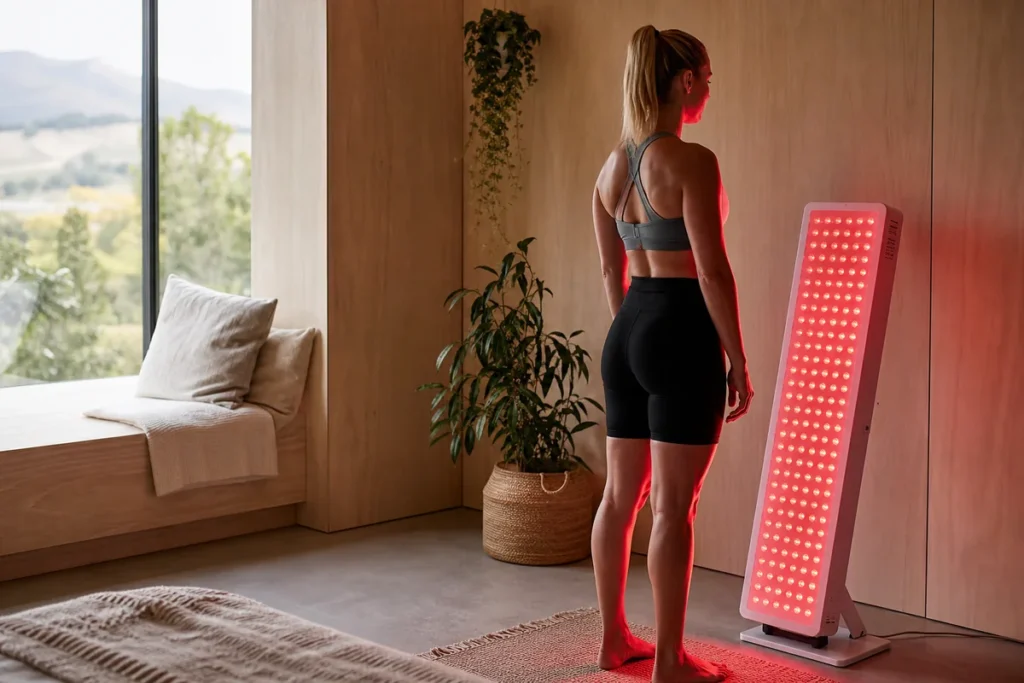
Red light therapy (also called photobiomodulation) uses specific wavelengths of red and near-infrared light to stimulate cellular energy production. The research suggests benefits for muscle recovery, skin health, inflammation reduction, and sleep quality. It’s a legitimate area of science — not pseudoscience — though the home device market is wildly unregulated with quality varying enormously.
For NZ consumers: look for devices with third-party testing for power output. BioMax from PlatinumLED and devices from Joovv have strong reputations. Both sell direct from their own sites rather than through third-party retailers, and neither is stocked by iHerb. Budget realistically: the Joovv Solo 3.0 lists at US$1,699, which is close to NZ$3,000 before freight, GST and duty, and full-size panels from the mid-range brands land well above NZ$1,000. Small targeted panels are the affordable end of this category — full-body ones are not.
Magnesium — The Recovery Mineral Most Kiwis Are Short On
Not glamorous, but genuinely important. Magnesium is involved in over 300 enzymatic reactions in the body including muscle function, protein synthesis, and sleep regulation. Dietary intakes below recommended levels are common, and active people lose more through sweat — though falling short of a recommended intake is not the same thing as a clinical deficiency, and we could not find solid New Zealand prevalence data either way. Sodium and potassium are lost the same way, so it is worth knowing which electrolyte drinks are actually worth buying. Magnesium glycinate before bed supports sleep quality and muscle recovery. Available at most NZ pharmacies and health stores for NZ$20–50/month.
Float Tanks
Sensory deprivation floating — lying in a salt-saturated solution at skin temperature in complete darkness and silence — sounds intense but produces remarkably deep relaxation. Research supports benefits for stress reduction, pain relief, and sleep. Float Culture has a single centre, at 12 Water St in Grafton, Auckland. Their published new-client offer is four sessions for NZ$240; they do not list a standard single-session rate online, so ask when you book. Ideal for high-stress periods or as a periodic deep recovery tool.
The Bottom Line
Smart recovery isn’t about doing everything — it’s about doing the right things consistently. Start with contrast therapy (sauna + cold plunge) and HRV tracking. Add magnesium. Consider red light therapy if sleep and inflammation are ongoing concerns.
Recovery is training. Treat it that way.
This article is for informational purposes only and does not constitute medical advice. Those with cardiovascular conditions or other health concerns should consult their GP before undertaking contrast therapy, cold water immersion or sauna use.