Contrast therapy — alternating between heat and cold immersion — is one of the most powerful recovery tools available to athletes and wellness seekers alike. It’s also one of the most misused. Here’s what the evidence actually says.
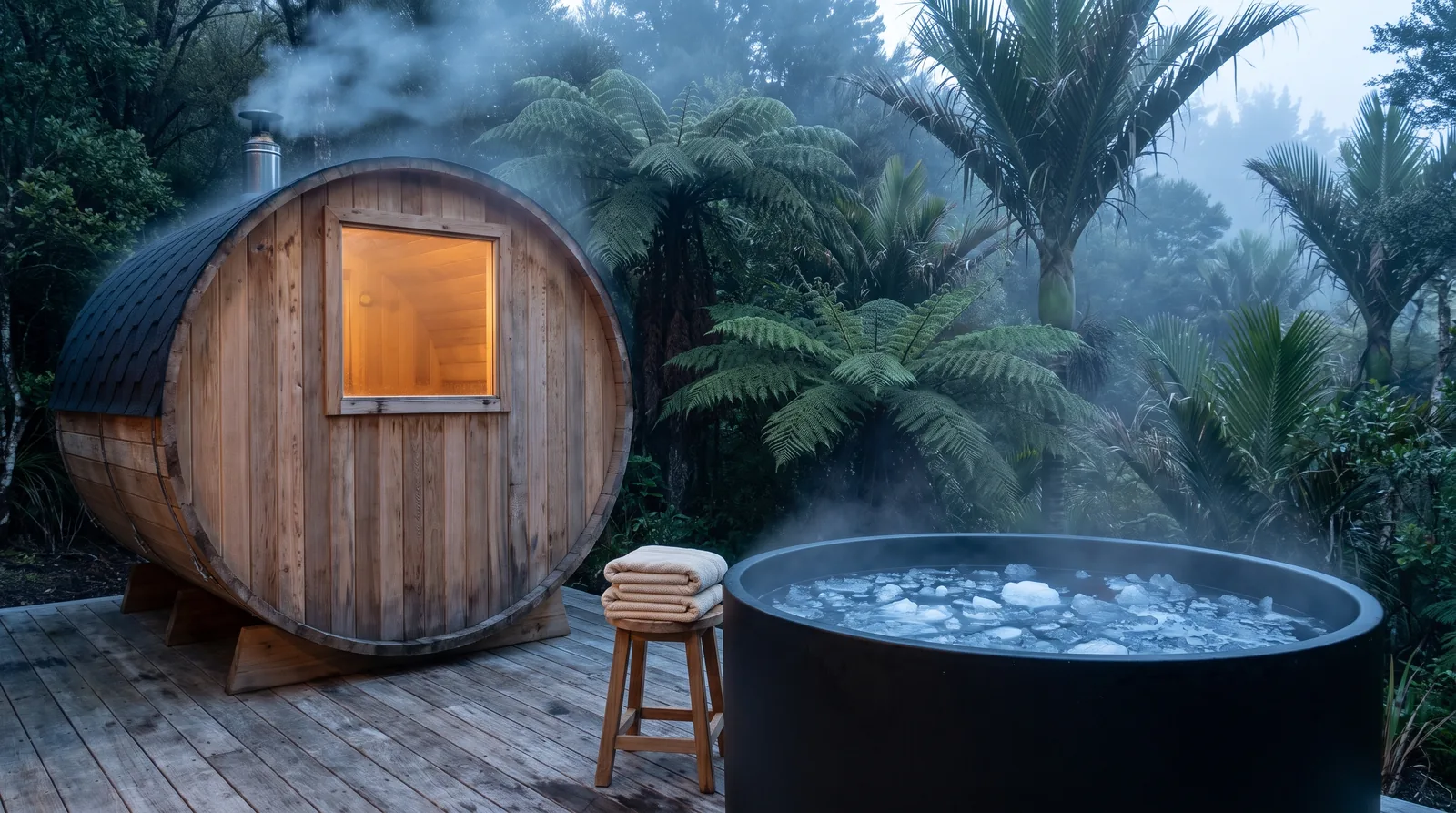
What Is Contrast Therapy?
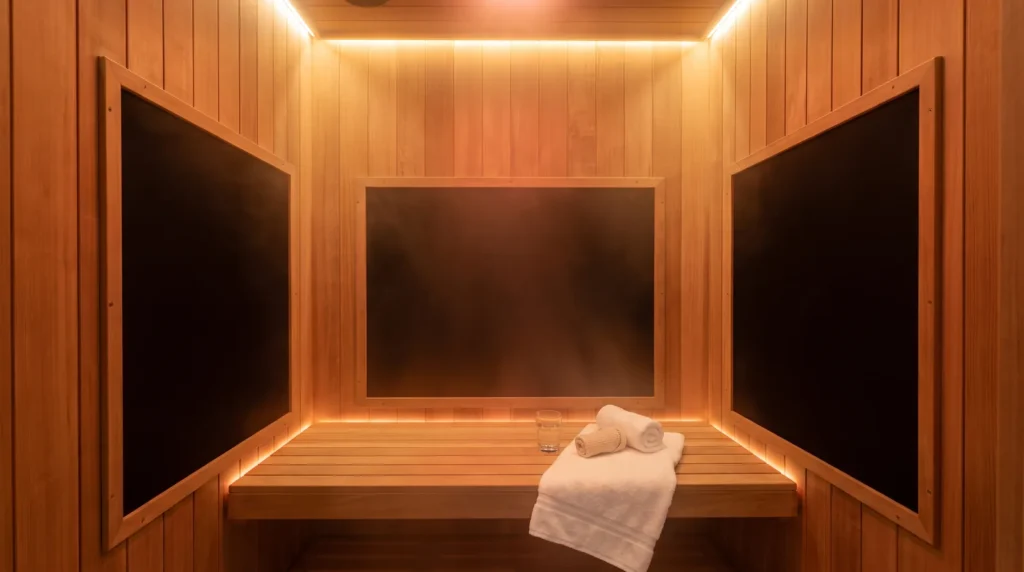
Contrast therapy involves cycling between a hot environment (sauna, hot pool, or hot shower) and cold immersion (ice bath, cold plunge pool, or cold shower). The temperature differential triggers a cascade of physiological responses that together produce benefits that neither heat nor cold alone achieves as effectively.
The practice has roots in Scandinavian, Finnish, and Japanese bathing traditions and has been used by athletes, physiotherapists, and wellness practitioners for decades. Recent years have brought a surge in scientific interest and commercial adoption globally — and New Zealand is catching up fast.
The Science: What’s Actually Happening
Heat Phase
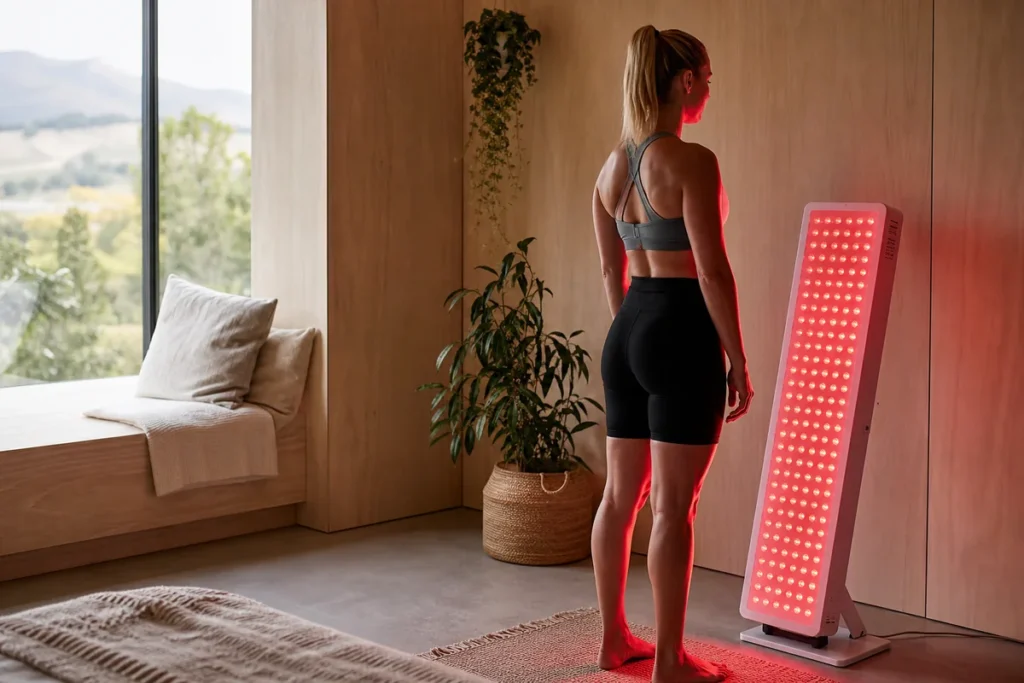
During the heat phase (sauna, hot pool, or steam), core body temperature rises. Blood vessels dilate (vasodilation), blood flow to muscles and peripheral tissue increases, heart rate rises, and the body initiates a process of heat dissipation. Worth being clear about what that means: the heat itself is work for your cardiovascular system, not rest. The relaxed, heavy-limbed feeling people associate with a sauna tends to arrive afterwards, as heart rate settles back down. The same mechanisms sit behind most of the documented infrared sauna benefits.
Cold Phase
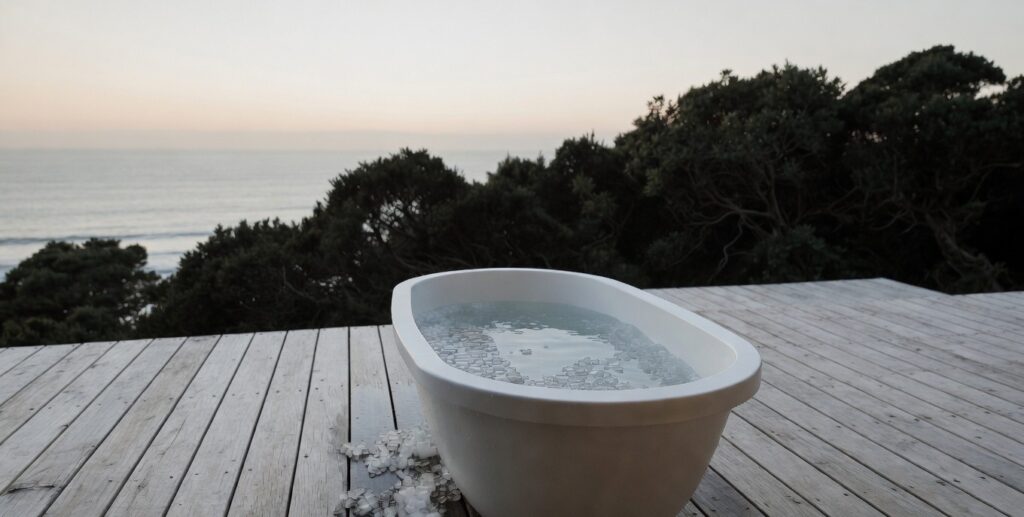
Immersion in cold water (below 15°C is the generally accepted threshold for meaningful physiological effect) causes rapid vasoconstriction — blood vessels tighten, pushing blood back toward core organs. Norepinephrine is released, which is the usual explanation for the alertness and focus people report afterwards. Brown adipose tissue (brown fat) is activated, increasing metabolic rate.
The Cycling Effect
Alternating between vasodilation and vasoconstriction creates what’s often described as a “vascular pump” — a rhythmic flushing of the circulatory system. The idea is that this helps move metabolic waste products out of muscle tissue. It’s the cycling, rather than the heat or the cold on its own, that contrast therapy is built around.
What People Use It For
- Reduced muscle soreness (DOMS) — the most commonly reported benefit, and the main reason athletes reach for it after a hard session.
- Improved perceived recovery — athletes consistently report feeling more recovered after contrast therapy sessions.
- Mood and alertness — most people come out of the cold feeling sharper and in better spirits, and that lift is why a lot of them keep going back. It is not a treatment for anything.
- Sleep — some people find an afternoon session helps them sleep; others find cold too stimulating late in the day. Worth experimenting with timing.
One Important Caveat: Timing Around Strength Training
Cold water immersion immediately after resistance training may blunt some hypertrophic (muscle-building) adaptations. The anti-inflammatory effect that aids recovery may also suppress some of the beneficial inflammatory signals that drive muscle growth. If your primary goal is building muscle, put as much time as you practically can between lifting and cold exposure, or save contrast therapy for non-training days. You will see a specific figure quoted for this gap — six hours is the common one — but we have not found a trial that establishes a threshold, so treat it as a rule of thumb rather than a measured number. For general recovery and wellness, this caveat is largely irrelevant.
How to Do Contrast Therapy Properly
A typical contrast therapy protocol:
- Heat: 10–15 minutes in sauna or hot pool (aim for 70–90°C in traditional sauna, 50–60°C infrared)
- Cold: 1–3 minutes cold plunge (10–15°C) or cold shower
- Rest: 2–3 minutes at ambient temperature
- Repeat 2–3 cycles
- End on cold for performance/recovery; end on heat for relaxation
Beginners should start with shorter cold exposures (30–60 seconds) and warmer water (15–18°C) and build up gradually. Never push through extreme discomfort in cold — the goal is controlled, mindful cold exposure, not endurance testing.
Safety: Read This Before Your First Plunge
Cold water immersion is the part of contrast therapy that deserves genuine respect, and most of the sensible precautions get left out of the enthusiastic version of this story. None of it is complicated. It is worth reading once, properly, before you start.
- Never plunge alone. This applies at home as much as at a facility. Have someone with you, or at the very least within earshot and aware of what you are doing. Cold water can take the strength out of your hands and arms within seconds, and a plunge tub is deep enough to drown in.
- Get in slowly and stay in control. Hitting cold water sets off the cold shock response — an involuntary gasp followed by fast, uncontrolled breathing you cannot simply decide to stop. It is the mechanism behind most cold-water incidents, and it is the reason you lower yourself in rather than jump. Breathe out as you enter, and let your breathing settle before you do anything else.
- The transition is the demanding bit. Going from 70–90°C in a traditional sauna straight into a 10–15°C plunge asks a lot of your heart and blood vessels in a very short space of time. If you are new to it, take a minute or two at room temperature between the two rather than going straight across.
- No alcohol before or during a session. It blunts your judgement about how cold you are and how long you have been in, which are the two things you need to judge well.
- Talk to your GP first if you are pregnant, have high blood pressure that is not well controlled, have an arrhythmia or any other heart condition, have had a cardiac event, have epilepsy, or have Raynaud’s. Cold immersion is a real physiological demand, and none of those are on the list of things to simply give a go and see how it feels.
Where to Access Contrast Therapy in New Zealand
Prices checked September 2026. Studio rates and equipment pricing both move around, and several NZ suppliers run near-permanent sale pricing — confirm the current cost before booking or buying.
Rotorua
Rotorua’s geothermal infrastructure makes it the natural home of contrast bathing in NZ. The Polynesian Spa and several other Rotorua facilities offer hot/cold bathing experiences using natural geothermal mineral water. A genuinely special experience.
Hanmer Springs Thermal Pools
Hanmer Springs in the South Island offers thermal pools alongside cooler pools — a natural contrast therapy setup. One of New Zealand’s most popular wellness day trips. Year-round availability makes it accessible for South Islanders and visitors alike.
Urban Wellness Studios
Purpose-built recovery studios offering dedicated sauna + cold plunge setups are emerging in Auckland, Wellington, and Christchurch. Pricing varies more than you would expect. As a guide, casual single sessions ran from about NZ$30 at P3 Recovery in Mount Maunganui to NZ$100 for a one-person private Hot + Cold suite at WYLD in Auckland when we checked, with multi-session packs and memberships bringing the per-visit cost down substantially at most places. Search locally for contrast therapy or recovery studios in your city.
At Home
A home infrared sauna combined with a cold plunge tub (portable inflatable tubs start around NZ$159, insulated hard-shell units run from the high hundreds into the low thousands, and tub-plus-chiller systems start around NZ$2,500 — see our cold plunge guide for the current NZ pricing tiers) gives you on-demand contrast therapy. This setup is increasingly common among New Zealanders serious about recovery and longevity. It is also where the safety rules above matter most: at a facility there is staff on hand, and at home there is not, so make a habit of only plunging when someone else is around.
The Bottom Line
Contrast therapy is a long-established recovery practice, and most people who stick with it do so because of how they feel afterwards — less sore, clearer-headed — rather than because of any one finding. Start conservatively, respect the cold, and it fits neatly into a wider recovery and biohacking routine.
This article is for informational purposes only. Those with cardiovascular conditions or other health concerns should consult their GP before undertaking contrast therapy.