Quick answer: Most of New Zealand doesn’t need a root cellar. Our winters are mild enough that carrots, parsnips, beetroot and most root crops can simply stay in the ground until you want them — which is why root cellars never became a New Zealand tradition the way they did in Canada or northern Europe. What you actually need is somewhere cool, dark and airy for the crops that can’t stay in the ground: pumpkins, onions, garlic, kūmara and apples. A spare room, a shaded shed or a well-ventilated garage does that job.
Root cellar build guides are everywhere online, and almost all of them are written for climates where the ground freezes solid for four months. Before you dig a hole in a Kiwi hillside, ask whether the problem a root cellar solves is a problem you have.
Why root cellars never caught on here
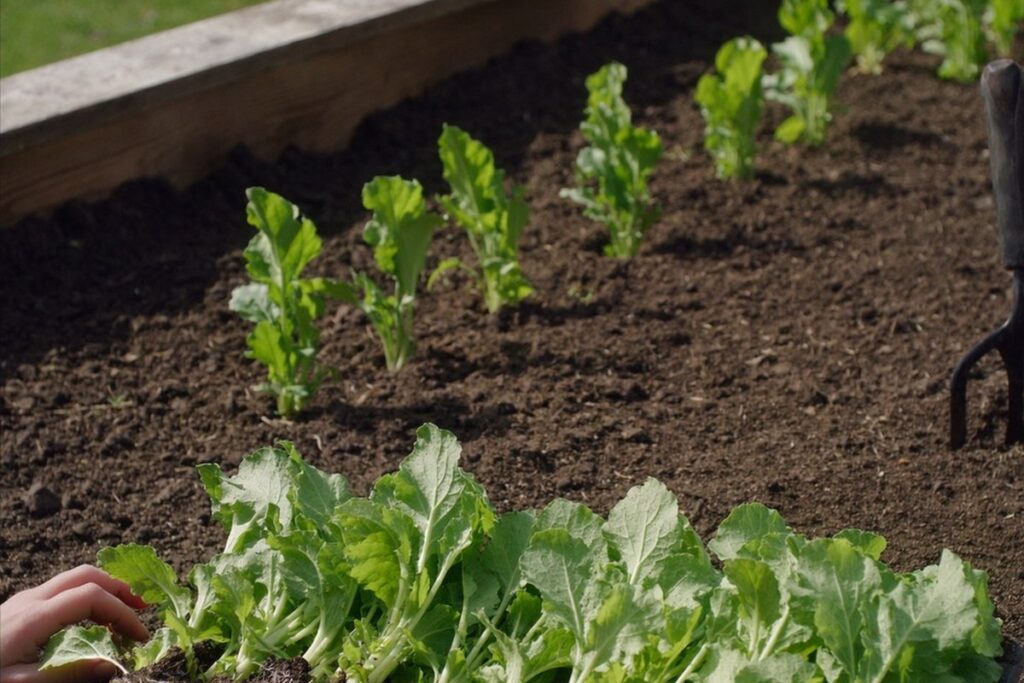
A root cellar exists to hold produce just above freezing through a winter where outdoor storage would destroy it and the soil is unworkable. New Zealand has neither problem across most of the country. As one NZ grower’s storage guide puts it, root cellars “are not really used here” precisely because most of the country can hold root crops in the ground all through winter. That makes the soil itself the storage — free, zero-maintenance, and it keeps the produce in better condition than any cellar because nothing has been lifted.
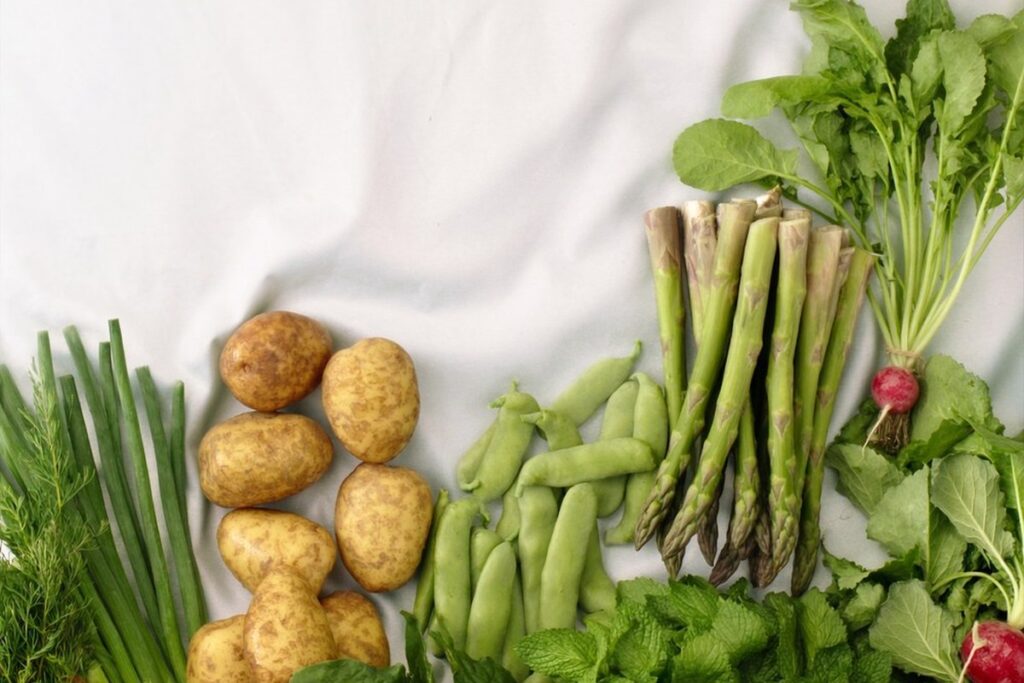
Carrots, parsnips, swedes, beetroot and leeks all do this. Parsnips are improved by it, since cold converts starch to sugar. The practical method is to mulch over the row heavily before the coldest part of winter, mark where it is, and lift as needed.
Where in-ground storage does fail: heavy clay that stays waterlogged, which rots crops in place; areas with serious slug or rodent pressure; and the colder inland pockets of the South Island where the ground does freeze hard enough to make lifting impractical. If you are in one of those, the rest of this matters more.
What you actually need: two different storage conditions
The crops that can’t stay in the ground split into two groups, and mixing them is the most common storage mistake.
Cool and humid
Around 4°C with 90–95% humidity is the target for apples, and cool storage of roughly 6–7°C suits the broader group. Too dry and everything goes limp. The temperatures and keeping times below come from that same NZ storage guide.
- Apples — 2 to 7 months, with tart crisp varieties keeping longest
- Pears — 1 to 3 months
- Potatoes — 4 to 6 months or more, in complete darkness
- Carrots and beetroot — 4 to 6 months lifted, if you’d rather not leave them out
- Cabbages — 3 to 4 months, red and late varieties best
Keep apples away from everything else. They give off ethylene, which will sprout your potatoes and soften anything nearby.
Cool and dry
- Onions and garlic — 5 to 8 months, thick-skinned varieties keeping best
- Pumpkins — 3 to 6 months, tough-skinned varieties only
- Kūmara — 4 to 6 months, and notably warmer than everything else at 12–18°C
- Yams — 5 to 6 months
Kūmara is the one that catches people out. It does not want cold, and putting it in the coolest corner of the shed with the potatoes is how a good crop goes to waste. A spare bedroom is closer to right than a cellar would be. Worth knowing given how well it earns its place nutritionally — our kūmara guide covers that side.
Curing is the step people skip
Several crops need a period of curing before storage, and skipping it is why things rot in November that should have lasted until spring.
- Kūmara — spread out in a cool airy place for a week or so to let the skins cure. Do not wash them. Soil brushed off dry is fine; water on the skin before storage is not.
- Pumpkins — leave them outdoors to harden the skin, or bring them somewhere warm for up to two weeks. A pumpkin you can dent with a thumbnail is not ready to store.
- Onions and garlic — dry thoroughly somewhere warm and breezy until the necks are papery. This takes longer than people expect in a humid North Island autumn.
The general rule across all of them: store dry, store undamaged, and check regularly. One rotting fruit will take a whole crate with it.
If you do want a dedicated space
Before building anything, look at what you already have. A north-facing garage is usually too warm; a south-facing one is often close to ideal. An unheated spare room suits kūmara and pumpkins. Under-house space, if it is dry and ventilated, gives you the cool-humid conditions apples want.
What matters, in order: stable temperature (fluctuation does more damage than the absolute number), ventilation (stale air holds ethylene and moisture), darkness for anything that sprouts, and the right humidity for the group — which is why the two groups above want separating rather than stacking on the same shelf.
A cheap thermometer and hygrometer in the space for a fortnight will tell you more than any build guide. Most people find they already own somewhere that works.
Storage or preserving?
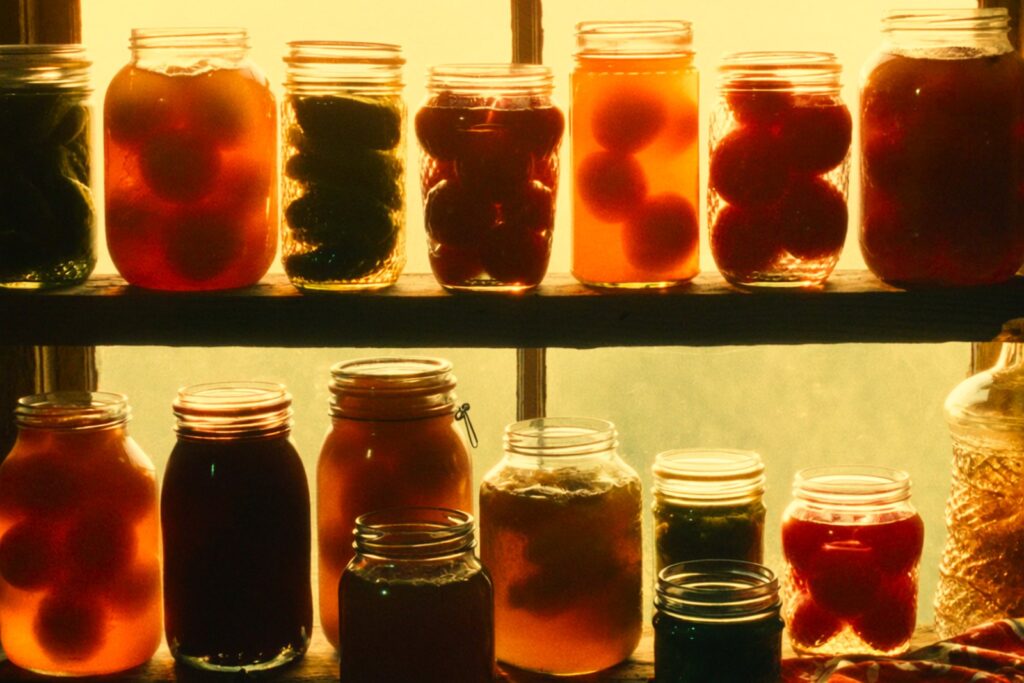
Be deliberate about which crops get which treatment. Anything on the lists above stores as it is and is usually not worth processing. The jars are better spent on the gluts that can’t be stored — stone fruit, tomatoes, feijoas, berries — which is covered in our guide to home preserving in New Zealand.
Frequently Asked Questions
Can I leave carrots in the ground over winter in NZ?
In most of the country, yes — this is standard practice and the main reason root cellars never took hold here. Mulch over the row heavily before the coldest weather, mark where it is, and lift as needed. The exceptions are heavy waterlogged clay, which rots crops in place, and the colder inland South Island where the ground can freeze hard enough to make lifting impractical.
What temperature should kūmara be stored at?
Warmer than almost everything else — 12 to 18°C, cool and dry rather than cold. Cure the skins first by spreading them out somewhere cool and airy for about a week, and don’t wash them. Stored properly they keep 4 to 6 months. Putting kūmara in the coldest part of the shed is the most common way a good crop is lost.
Why can’t I store apples and potatoes together?
Apples release ethylene gas as they ripen, which encourages potatoes to sprout and softens other produce stored nearby. They also want slightly different conditions. Keep apples in their own space, ideally around 4°C at high humidity, and potatoes somewhere cool and completely dark.
Is it worth building a root cellar in New Zealand?
For most people, no. The crops a root cellar is designed for can generally stay in the ground here, and the crops that can’t be left in the ground mostly want conditions an existing shed, garage or spare room already provides. Measure what you have with a thermometer and hygrometer before you consider building — the usual finding is that a dedicated cellar would solve a problem you don’t have.
The Bottom Line
New Zealand’s mild winters make the garden itself the best root cellar available, and the imported enthusiasm for digging one is solving a northern-hemisphere problem. Leave the roots where they are, cure and store the handful of crops that can’t stay — pumpkins, onions, garlic, kūmara, apples — keep the humid group away from the dry group, and spend the effort you saved on preserving the gluts that genuinely can’t be stored.
This article is general information only. Storage times and conditions vary with variety, region, crop condition at harvest and the space you’re using — treat the figures here as starting points and check your stores regularly. Information current as of September 2026.