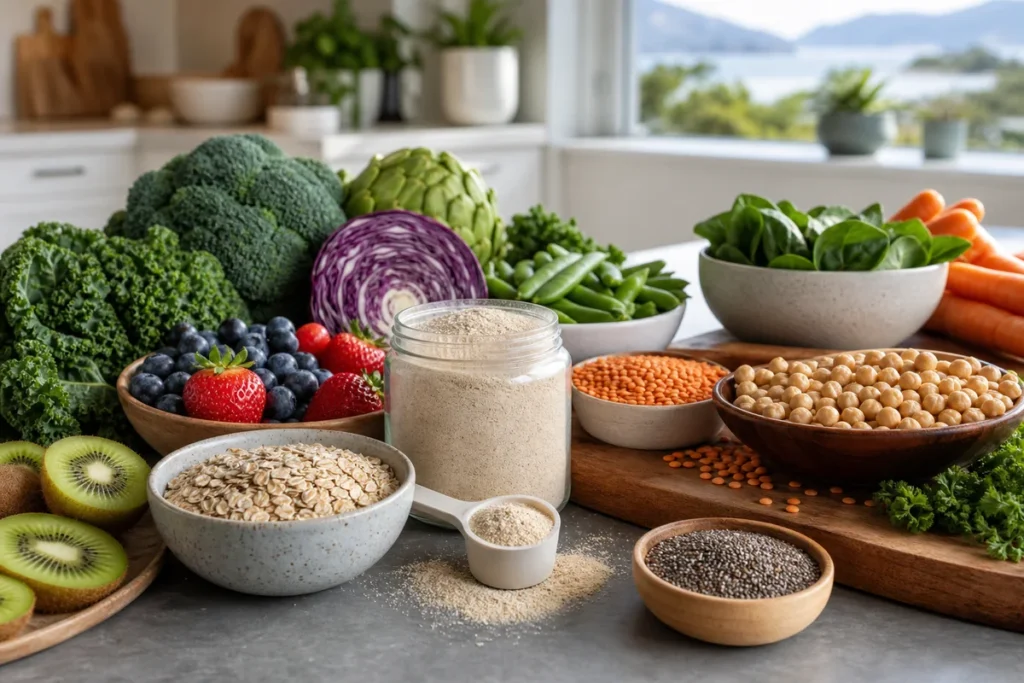

The short answer: Good gut health comes down to feeding the right bacteria (fibre, fermented foods), reducing what harms them (sugar, alcohol, stress), and supporting recovery when needed (quality probiotics, targeted supplements). Most Kiwis see meaningful improvements within 4–8 weeks of consistent changes. This guide covers everything you need to know — from the science to the specific NZ products worth buying.
This article is for informational purposes only and is not a substitute for professional medical advice. If you have persistent gut symptoms, please consult your GP or a registered health professional.
Why Gut Health Matters More Than You Think
Your gut carries bacteria on the order of tens of trillions of cells — broadly comparable to the number of human cells in your body. The “38 trillion” figure we previously quoted comes from a published estimate, but we are not restating it as fact here without having read the original. This ecosystem, the gut microbiome, is now understood to influence far more than digestion: peer-reviewed research links it to immune function, mental health, skin conditions, metabolic health and stress response. Where we rely on a specific study below, we link it directly rather than gesturing at journal names.
For Kiwis specifically, the picture is worth understanding. New Zealand’s diet has shifted significantly over the past 30 years — more ultra-processed food, more added sugar, and less of the traditional fibre-rich and fermented foods that fed healthy microbiomes for generations. Add in the stress of modern life, frequent antibiotic use (New Zealand’s outpatient antibiotic consumption was 25.9 defined daily doses per 1,000 people per day in 2013 — higher than 26 of 33 OECD and European comparator countries, per Thomas et al., Journal of Antimicrobial Chemotherapy 71(12):3593), and a culture that doesn’t always prioritise sleep — and it’s not surprising that digestive issues are among the most common health complaints NZ GPs see.
The Gut-Brain Axis: Your Second Brain
One of the most significant findings in gut health research over the past decade is the gut-brain axis — a bidirectional communication network between your gut and your brain via the vagus nerve, immune system, and gut-produced neurotransmitters.
The large majority of the body’s serotonin is produced in the gut rather than the brain — the figure usually quoted is around 90%, which we have not traced to a primary source and so present as the commonly cited estimate rather than a verified one. Serotonin is the neurotransmitter most closely associated with mood regulation. It also produces GABA (linked to anxiety) and dopamine precursors. This means the state of your gut microbiome directly influences your mental health — not just metaphorically, but biochemically.
Studies have found that people with depression and anxiety consistently show different microbiome compositions compared to healthy controls. While the research is still establishing causality, the connection is strong enough that gut health is now considered a legitimate mental health intervention by many integrative health practitioners.
Signs Your Gut Health Needs Attention
Gut dysfunction rarely announces itself with a single dramatic symptom. More often it shows up as a cluster of issues that seem unrelated:
- Bloating after meals — especially with certain foods
- Irregular bowel movements (constipation, loose stools, or alternating between both)
- Persistent fatigue that sleep doesn’t fully resolve
- Brain fog, poor concentration, or difficulty thinking clearly
- Skin issues like eczema, acne, or rosacea that don’t respond to topical treatments
- Frequent colds, slow recovery from illness, or a generally sluggish immune system
- Mood instability, anxiety, or low mood without a clear psychological trigger
- Food sensitivities that seem to be expanding over time
- Recurrent thrush or yeast-related issues
Experiencing two or more of these consistently is a reasonable signal that your gut microbiome needs support.
The Science-Backed Foundations of Gut Health
1. Eat More Diverse Plants
The single most consistent finding in gut microbiome research is this: diversity of plant foods predicts diversity of gut bacteria, and diversity of gut bacteria predicts better health outcomes. The American Gut Project (mSystems, 2018) reported that people eating more than 30 different plant types per week had more diverse gut bacteria than those eating 10 or fewer.
This doesn’t mean eating 30 different vegetables every week — herbs, spices, legumes, grains, nuts, seeds, and fruits all count. Aim for variety rather than volume. Swap between different types of bread grains. Add a handful of mixed seeds to your breakfast. Rotate your vegetables rather than defaulting to the same ones.
NZ tip: Kūmara, kāmokamo, puha, and other taonga species are rich in prebiotic fibre and have fed healthy Māori microbiomes for centuries. They’re worth including alongside modern staples.
2. Add Fermented Foods
Fermented foods are probiotic-rich, meaning they introduce live beneficial bacteria directly into your gut. A 2021 Stanford University trial (Wastyk et al., published in Cell — Stanford Medicine summary) found that a ten-week diet high in fermented foods increased microbiome diversity and lowered 19 inflammatory proteins, while the high-fibre arm of the same trial showed neither effect on average.
The key fermented foods to incorporate:
- Yoghurt — look for live cultures; Raglan Food Co makes an excellent NZ coconut yoghurt with live cultures for dairy-free options
- Kefir — more potent than yoghurt with a wider range of bacterial strains; available at most NZ supermarkets and health stores
- Kombucha — NZ has excellent local producers; look for low-sugar varieties with live cultures rather than commercial carbonated versions
- Sauerkraut and kimchi — fermented cabbage dishes rich in Lactobacillus strains; available refrigerated from health food stores (avoid shelf-stable versions which have lost their live cultures)
- Miso — a fermented soybean paste used in Japanese cooking; widely available at NZ supermarkets and Asian grocery stores
3. Prioritise Prebiotic Foods
Prebiotics are the non-digestible fibres that feed your beneficial gut bacteria. Without adequate prebiotic intake, even the best probiotic supplements won’t fully take hold — the bacteria need fuel to thrive.
The best prebiotic food sources available in NZ:
- Garlic and onions — among the richest sources of inulin, a powerful prebiotic
- Leeks, asparagus, and artichokes
- Unripe bananas — high in resistant starch
- Cooked and cooled potatoes and rice (the cooling process creates resistant starch)
- Oats — contain beta-glucan, a well-researched prebiotic fibre
- Legumes — chickpeas, lentils, black beans
4. Reduce the Key Gut Disruptors
You don’t need to eliminate anything completely — but awareness of what damages the microbiome helps with making better daily choices:
- Refined sugar — feeds pathogenic bacteria and yeast; reduce rather than eliminate
- Alcohol — disrupts the gut lining and alters bacterial balance; moderation makes a genuine difference
- Ultra-processed foods — emulsifiers and artificial additives have been shown to alter gut bacteria composition in research studies
- Unnecessary antibiotics — NZ’s outpatient antibiotic consumption sits in the upper third of OECD and European countries (Thomas et al., 2016); consider probiotics during and after a course, and only use antibiotics when genuinely needed
- NSAIDs (ibuprofen, etc.) — regular use can damage the gut lining; use sparingly
5. Manage Stress Actively
Chronic stress is one of the most potent gut microbiome disruptors. Stress hormones — particularly cortisol — alter gut motility, increase intestinal permeability (leaky gut), and directly change the composition of gut bacteria. The research is unambiguous on this.
Practical stress-management strategies that have demonstrated gut health benefits include: regular aerobic exercise (30 minutes, 4–5 times per week), consistent sleep schedules, mindfulness or breathwork practices, and reducing caffeine intake if you’re already highly stressed. Even small, consistent changes compound significantly over weeks.
6. Prioritise Sleep
The gut microbiome follows a circadian rhythm — its bacterial composition actually shifts across the day and night. Disrupted sleep patterns (including irregular bedtimes and sleep restriction) have been shown to alter microbiome diversity within days. Aim for 7–9 hours and consistent sleep and wake times.
Best Gut Health Supplements Available in NZ (2026)
Food comes first — no supplement replaces a diet that actively supports your microbiome. But targeted supplementation can meaningfully accelerate gut health recovery, particularly after illness, antibiotics, or periods of poor diet.
Probiotics
A quality probiotic supplement introduces beneficial bacterial strains directly. The key things to look for: multiple strains including Lactobacillus and Bifidobacterium species, CFU count of at least 10 billion (higher for therapeutic use), and delayed-release capsules for survivability. See our full guide to the best probiotics available in NZ — we’ve reviewed 7 options with NZD pricing and where to buy.
Prebiotics
Prebiotic supplements (inulin, FOS, arabinogalactan) can fill the gap when diet alone isn’t providing enough. HealthPost stocks a prebiotic range — NOW Foods Organic Inulin Powder 227g at NZ$29.30 and Pro-life Chewable Prebiotic Inulin 200 tablets at NZ$38.80 are two examples (September 2026). Two corrections to this section. GO Healthy is a supplement brand, not a stockist, and its range contains no prebiotic or fibre product — it should not have been named here. And Seed’s DS-01, which we previously called the gold standard for comprehensive gut support, does not ship to New Zealand; buying it here means a freight forwarder or a third-party reseller, so it does not belong in a list of what is available in NZ.
Digestive Enzymes
If you struggle to digest specific foods — particularly fats, proteins, or lactose — digestive enzyme supplements help by providing the enzymes your gut isn’t producing in sufficient quantities. Clinicians DigestEase with Tolerase G (60 vege capsules, NZ$30.60 at HealthPost, September 2026) is a genuine NZ-available enzyme blend. Correction: we previously named GO Healthy alongside Clinicians here. GO Healthy’s range contains no digestive enzyme product, and that recommendation has been removed.
L-Glutamine
An amino acid that is the primary fuel source for enterocytes — the cells lining your gut wall. L-Glutamine is particularly useful for supporting gut lining integrity if you’re dealing with leaky gut, IBS, or recovering from a course of antibiotics. Available through iHerb, Healthpost, and most NZ supplement retailers at NZ$25–50 for a month’s supply.
Zinc Carnosine
A compound combining zinc and L-carnosine that has good evidence for supporting the stomach lining and reducing H. pylori-associated symptoms. Less well-known than probiotics but well regarded for gut lining support. Correction: we previously said this was available through HealthPost. As of September 2026 we could not find a zinc carnosine product there — the closest listing is Life Extension Carnosine 500mg, which is L-carnosine, a different compound. Ask a specialist supplement retailer or pharmacy rather than assuming it is on the shelf.
Slippery Elm
A traditional herbal remedy made from the inner bark of the slippery elm tree. It forms a gel-like substance that coats and soothes the gut lining — particularly useful for IBS, heartburn, and inflammatory gut conditions. Available at most NZ health food stores and pharmacies at NZ$15–30.
Collagen Powder
Collagen contains glycine and glutamine — amino acids that support gut wall repair. Many Kiwis who begin taking collagen for skin benefits report improved digestion as a secondary effect. See our guide to best collagen supplements in NZ for our top picks with NZD pricing.
Gut Health Testing in NZ
If you want to understand your microbiome specifically, gut microbiome testing is available in NZ. Microba is the service most often named in this context, but its own site describes operations across Australia and the UK and publishes no New Zealand availability, price or turnaround. Correction: we previously stated it was available through NZ practitioners at approximately NZ$250–350 with results in 3–4 weeks. We could not verify any of those figures and have removed them. If you want microbiome testing, ask a NZ practitioner what they can actually order and what it costs before committing.
Standard GP testing can also identify common gut issues: a stool MCS (microscopy, culture, and sensitivity) test screens for parasites and pathogenic bacteria. If you suspect SIBO (small intestinal bacterial overgrowth), a hydrogen/methane breath test is available through gastroenterology referral.
The NZ Diet and Gut Health: Honest Context
New Zealanders have one of the highest rates of bowel cancer in the world — a fact that reflects decades of low-fibre, high-processed-food dietary patterns. The good news is that the gut microbiome is remarkably responsive. Research consistently shows meaningful microbiome improvements within 2–4 weeks of sustained dietary changes. You don’t need to overhaul your entire diet overnight — incrementally adding plant diversity and fermented foods while reducing the obvious disruptors makes a measurable difference over months.
When to See Your GP
Lifestyle changes and supplements support gut health — they don’t diagnose or treat medical conditions. See your GP promptly if you experience:
- Blood in your stool or rectal bleeding
- Unexplained significant weight loss
- Symptoms that wake you from sleep
- A family history of bowel cancer combined with new or changing symptoms
- Symptoms severe enough to impact daily functioning
Conditions including IBS, IBD (Crohn’s disease, ulcerative colitis), coeliac disease, SIBO, and H. pylori infection all require proper diagnosis and specific medical management. A good NZ GP will refer you to a gastroenterologist if needed.
Frequently Asked Questions — Gut Health NZ
How long does it take to improve gut health?
Most people notice initial improvements — less bloating, more regular digestion — within 2–4 weeks of dietary changes. Meaningful microbiome diversification typically takes 2–3 months of consistent effort. Some symptoms like skin conditions and mood improvements may take longer to manifest.
What is the best probiotic strain for gut health?
There is no single best strain — the gut thrives on diversity. Look for products with multiple Lactobacillus and Bifidobacterium strains. Lactobacillus rhamnosus GG and Bifidobacterium longum BB536 have among the strongest individual evidence bases.
Should I take probiotics with food?
Research suggests taking probiotics with food — particularly fatty food — improves survival rates through the stomach’s acid environment. Consistency matters more than exact timing.
Is kombucha actually good for gut health?
Yes, provided it is a genuinely fermented kombucha with live cultures — not a pasteurised or artificially flavoured version. Look for refrigerated NZ-made kombucha with visible cultures. Commercial shelf-stable versions often have minimal live bacteria.
Can gut health affect mental health?
Yes — this is one of the most robust findings in recent gut research. The gut-brain axis is bidirectional. Improving gut health through diet and targeted supplementation has been shown to positively affect mood and anxiety measures, though it is not a replacement for mental health treatment.
What is leaky gut and is it real?
Increased intestinal permeability (leaky gut) is a real, measurable physiological phenomenon in which the tight junctions of the gut lining become compromised, allowing partially digested food particles and bacterial toxins to enter the bloodstream. It is associated with chronic inflammation. Whether “leaky gut syndrome” as a distinct clinical condition deserves its own diagnosis is debated — but gut lining integrity is real and worth supporting.
Are prebiotics or probiotics more important?
Both. They work synergistically — probiotics introduce beneficial bacteria, prebiotics feed them. If you can only do one, a diverse, plant-rich diet (naturally high in prebiotics) provides a stronger long-term foundation than a probiotic supplement alone.
Do I need to refrigerate my probiotics?
It depends on the product. Some strains require refrigeration; others are shelf-stable. Check the label. What matters most is that you store them as directed and check the expiry date — dead bacteria provide no benefit.
Can I take probiotics while on antibiotics?
Yes — take your probiotic 2 hours away from your antibiotic dose to prevent the antibiotic from killing the probiotic bacteria. Continue taking probiotics for at least 2–4 weeks after finishing antibiotics to help restore microbiome diversity.
What foods should I avoid for gut health?
No single food needs to be permanently eliminated (unless you have a diagnosed intolerance or allergy). The biggest disruptors are alcohol, refined sugar, ultra-processed foods with emulsifiers and artificial additives, and excessive red meat without fibre. Focus on reducing rather than eliminating.
The Bottom Line
Gut health is one of the most high-leverage investments you can make in your overall wellbeing — and the gut is genuinely responsive to change. The foundations are simple even if they take consistent effort: eat more diverse plants, add fermented foods, reduce the obvious disruptors, manage stress, and sleep properly.
For those who want supplementary support, a quality probiotic, L-Glutamine, and a good prebiotic fibre are a solid starting stack. See our Best Probiotics NZ guide for specific product recommendations, and our Qenda Ultimate Fibre review for one of the most comprehensive gut support products available in NZ.
Product names, prices, NZ availability and the research citations on this page were re-checked in September 2026, and several entries were corrected where they did not match what brands and retailers actually list. Prices and stock change frequently — check before you buy.
This article is for informational purposes only. Always consult your GP or a registered health professional before starting new supplements, particularly if you have existing health conditions or are taking medication.