Mushroom coffee has moved from the edges of wellness culture to mainstream cafés and health stores. The functional mushroom market is growing fast in New Zealand — but the quality gap between products is enormous. Here’s what you need to know.
What Is Mushroom Coffee?
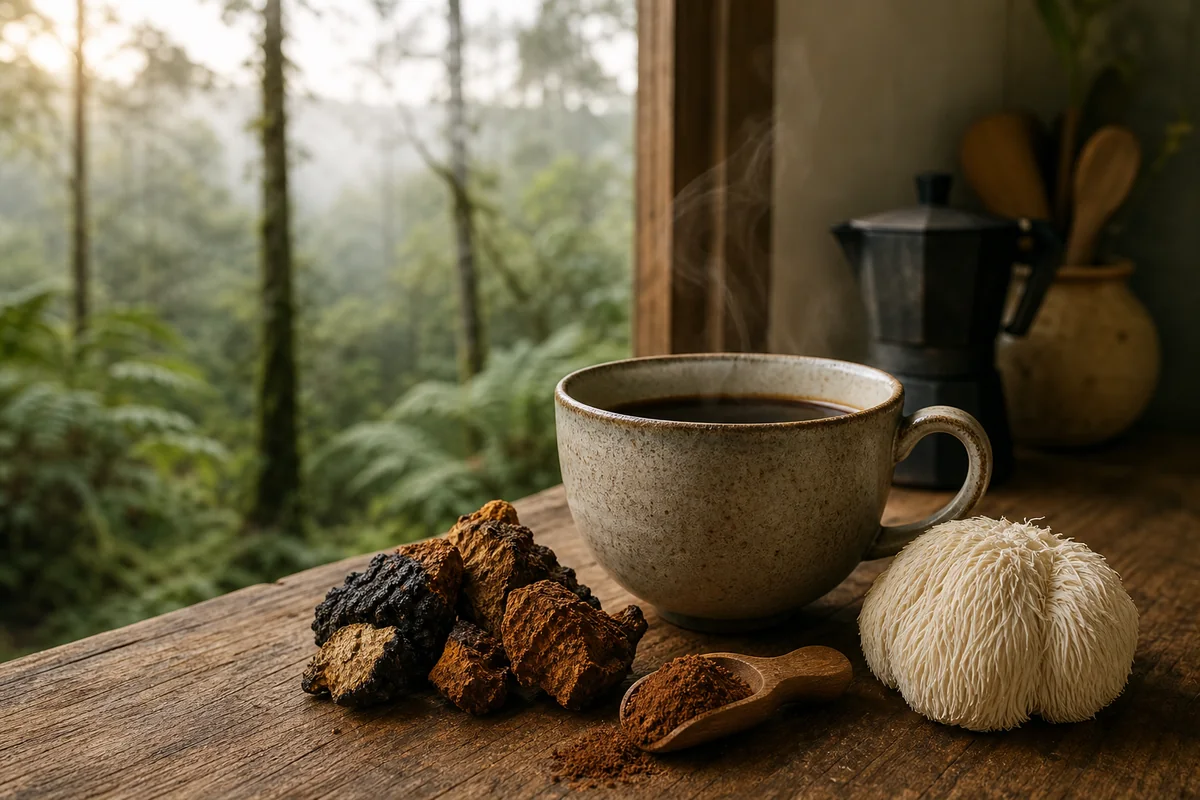
Mushroom coffee is typically regular coffee blended with dried, powdered extracts of functional (medicinal) mushrooms. The most common additions are Lion’s Mane, Chaga, Reishi, Cordyceps, and Turkey Tail — each with a different functional profile. Some products are coffee-free, using mushroom extract with cacao or other bases.
The key functional compounds are beta-glucans (polysaccharides with immune-supporting properties) and, in the case of Lion’s Mane, erinacines and hericenones (compounds that support nerve growth factor production).
The Key Functional Mushrooms
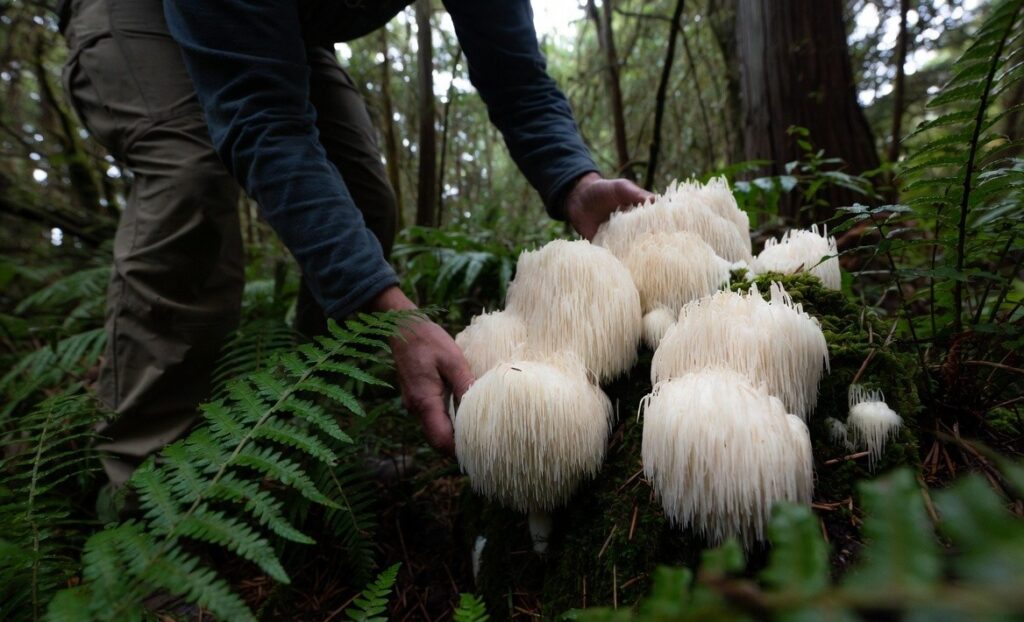
Lion’s Mane (Hericium erinaceus)
The cognitive standout. Lion’s Mane contains compounds that stimulate Nerve Growth Factor (NGF) synthesis, which supports the growth and maintenance of neurons. Human studies show improvements in mild cognitive impairment, reduced anxiety and depression symptoms, and improved focus and memory. It’s one of the more robustly supported nootropic supplements and makes genuine sense in a morning drink for cognitive enhancement.
Chaga (Inonotus obliquus)
A parasitic fungus that grows on birch trees in cold climates. Extremely high in antioxidants — one of the highest ORAC (antioxidant capacity) values of any natural food. Contains betulinic acid (from birch) and beta-glucans. Evidence base is more limited than Lion’s Mane but Chaga has a long history of traditional use in Russia and Siberia for immune support and longevity.
Reishi (Ganoderma lucidum)
Known in Traditional Chinese Medicine as the “mushroom of immortality.” Reishi’s evidence base focuses on immune modulation, stress adaptation (adaptogenic properties), and improved sleep quality. Its ganoderic acids have been studied for anti-inflammatory effects. Best suited to evening use or stress management protocols rather than morning cognitive support.
Cordyceps (Cordyceps militaris)
Popular with athletes for its potential to improve oxygen utilisation (VO2 max) and reduce fatigue. Cordyceps sinensis was traditionally harvested from caterpillar larvae in Tibet (at enormous expense); modern products almost universally use Cordyceps militaris grown on a grain substrate, which is more ethical, sustainable, and affordable. Evidence for performance benefits is promising though more research is needed. For a non-mushroom option in the same energy-and-fatigue space, see our guide to rhodiola rosea in NZ.
Turkey Tail (Trametes versicolor)
The most researched functional mushroom for immune support. Polysaccharide-K (PSK), derived from Turkey Tail, is approved as a cancer adjunct therapy in Japan. Strong beta-glucan content. Less relevant for a morning cognitive drink but a solid immune-focused addition.
The Critical Quality Issue: Extract vs Whole Powder
This is where most cheap mushroom products fail. Medicinal mushroom compounds — particularly beta-glucans — are mostly locked inside chitin cell walls that the human digestive system can’t break down. Effective products use hot water extraction or dual extraction (water + alcohol) to release these compounds into a bioavailable form. Whole dried mushroom powder (unextracted) has far lower bioavailability and is significantly less effective.
Always check: does the label say “extract”? Is there a beta-glucan percentage listed? If a product just says “mushroom powder” without specifying extraction, it’s likely low-quality.
Best Mushroom Coffee Products Available in NZ 2026
Four Sigmatic Mushroom Coffee (iHerb)
The brand that popularised mushroom coffee globally. Four Sigmatic’s lion’s mane blend combines lion’s mane and chaga extract with organic Arabica coffee. iHerb’s listing describes “organic log-grown mushroom extracts from the fruiting body” and states 500mg of combined lion’s mane and chaga extract per 2.5g packet. Correction: we previously called this dual-extracted and praised the brand as transparent about extraction methods. We could not verify a dual-extraction statement from either Four Sigmatic or the retailer, so treat the extraction method as unstated. No beta-glucan figure is published either — which, by the checklist further down this page, counts against it. Around NZ$25 for a 10-packet box (US$14.99 on iHerb, September 2026) before shipping. We previously quoted NZ$35–45, which was too high.
RYZE Mushroom Coffee (US direct — no NZ route we could confirm)
One of the most popular mushroom coffee brands in the US. Two corrections. First, RYZE’s SUPER6 blend is cordyceps, lion’s mane, reishi, shiitake, turkey tail and king trumpet. We previously listed chaga in this blend — RYZE does not use chaga, and that was wrong. Second, we said it ships to NZ via iHerb: RYZE is not sold on iHerb at all, and we could not confirm any NZ stockist or NZ shipping route from RYZE directly, so we have moved it out of the NZ-available list above. RYZE sells direct in the US at US$45 for a 30-serving bag, frequently discounted to around US$27 (September 2026). It publishes no beta-glucan figure.
Om Mushroom Coffee Blend (iHerb)
Om does publish a beta-glucan figure on its panel — 400mg of beta-glucans from 2,000mg of mushroom content per serve — which is more disclosure than either brand above, and the reason it stays on this page. But be clear about what that content is. Correction: Om’s mushroom coffee is lion’s mane and cordyceps, not lion’s mane and chaga as we previously stated, and the panel reads “organic whole food mushroom powder”, not extract. Measured against the extract-versus-powder test set out above, Om does not pass it. If extraction is your buying criterion, this is not the product — we should have said so the first time rather than recommending it unqualified. Around US$36 for the 6.13oz canister on iHerb (September 2026).
Local NZ Mushroom Supplement Options
Pure mushroom extract powders and capsules (separate from coffee) are stocked domestically. HealthPost’s lion’s mane range includes Pro-life, Life Cykel, Flow State and SuperFeast, starting around NZ$27.40 for Pro-life Lion’s Mane Mushroom 9100mg in 60 vege capsules (September 2026). Correction: we previously pointed readers to “brands like Nutra-Life” here. Nutra-Life does not make a lion’s mane or functional mushroom product, and that recommendation has been removed. For those who want to add functional mushroom extracts to an existing coffee routine, this remains a cost-effective approach — but check the label against the criteria above before buying.
How Much Should You Take?
Most studies on Lion’s Mane cognitive effects use 500–3000mg of extract per day. Many mushroom coffee products contain 250–500mg per serve — at the lower end of studied doses but not negligible, especially combined over time. For therapeutic intent, standalone Lion’s Mane extract capsules at 500–1000mg daily will be more potent than relying on mushroom coffee alone.
The Bottom Line
Mushroom coffee is a genuinely useful product if you buy quality. The functional mushroom evidence — particularly for Lion’s Mane and cognitive function — is real. The quality gap between products is enormous: always buy extracted, not just dried powder. Four Sigmatic is available in NZ via iHerb; for RYZE we could not confirm an NZ route, and none of the three blends above publishes the beta-glucan figure this page tells you to look for. If you’re serious about the benefits, consider supplementing with dedicated Lion’s Mane extract in addition to or instead of mushroom coffee blends.
Affiliate disclosure: Some links on ThrivingKiwi may earn us a small commission if you buy through them, at no extra cost to you. Paid links are marked as sponsored. We only recommend products we genuinely rate.
A Better Mushroom Coffee Label Checklist
- Amount per serve: the label should state how much mushroom extract is included, not just the total weight of a multi-ingredient blend.
- Species and part used: look for the Latin name and whether the product uses the fruiting body, mycelium or both.
- Extraction details: hot-water or dual extraction can be relevant, but an extraction ratio alone does not prove potency.
- Beta-glucan testing: a measured beta-glucan percentage is more useful than a generic “polysaccharide” claim, which may include starch.
- Caffeine: mushroom coffee still contains caffeine unless the pack clearly says otherwise. Compare milligrams per serve if you are sensitive.
Keep the Evidence in Perspective
Small human studies of lion’s mane are interesting, but they do not show that every mushroom coffee blend improves focus, prevents dementia or treats anxiety. Research usually tests a defined mushroom preparation and dose—not a lightly dosed coffee blend containing several ingredients. Evidence for chaga, reishi and cordyceps also varies by outcome, and much of it comes from laboratory, animal or preliminary human research.
That does not make mushroom coffee pointless. It can be a convenient drink, and a lower-caffeine blend may suit someone trying to reduce coffee intake. Matcha is the other lower-caffeine morning drink Kiwis weigh it against — see our guide to the best matcha in NZ. Judge it first as a beverage, then ask whether the disclosed extract dose justifies the price. If the pack hides quantities, assume you cannot verify that it matches the research being quoted.
Safety and Interactions
Functional mushrooms can cause digestive upset or allergic reactions and may interact with medicines, including anticoagulants, diabetes medicines or immunosuppressants. Chaga can contain high amounts of oxalate, which is relevant for people with kidney-stone risk or kidney disease. Seek individual advice during pregnancy or breastfeeding and before using concentrated extracts alongside regular medicine.
Prices, pack sizes and mushroom blends on this page were re-checked against brand and retailer listings in September 2026, and the product entries above were corrected where they did not match. Prices and New Zealand availability change frequently, especially for imported products. Check the current ingredient panel, shipping cost and subscription terms before buying. For other evidence-based options, see the NZ supplement guide and our guide to nootropics in New Zealand, which covers L-theanine.