Essential oils might be the most polarising products in wellness. A handful of oils have decent human evidence for specific uses, most claims are overblown, and safety gets far less attention than it should.
Here’s the honest Kiwi guide.
What essential oils actually are
Essential oils are concentrated aromatic compounds extracted from plants, usually by steam distillation or cold pressing. “Concentrated” is the key word — a single 10ml bottle of lavender oil can represent a huge amount of plant material. That concentration is why they have measurable effects, and also why they can irritate skin, trigger reactions, and harm pets when misused.
The oils with actual evidence
Lavender — the best-studied of the lot
Lavender is the closest thing aromatherapy has to a flagship. Research on lavender for anxiety and sleep is mixed and methodologically varied. Some preparations and settings show possible benefit, but aromatherapy should be treated as an optional comfort measure rather than a proven treatment. A few drops in a diffuser 30 minutes before bed is a low-cost, low-risk sleep-hygiene layer.
Tea tree
Tea tree oil has laboratory antimicrobial activity and limited clinical evidence for uses such as mild acne and athlete’s foot. It can irritate or sensitise skin and should never be swallowed. It’s a genuine workhorse in DIY cleaning products too. Never use it neat on skin, and never ingest it.
Peppermint
Peppermint oil’s best evidence is actually oral (enteric-coated capsules for IBS — pharmacy products, not DIY). Topically diluted on the temples it has some small-trial support for tension headaches. As an aroma it’s a decent pick-me-up, though claims about “boosting focus” rest on thin studies.
Eucalyptus — the winter one
A few drops in a steamy shower feels wonderful when you’re congested, and menthol/eucalyptol genuinely change the sensation of airflow. Whether it changes actual congestion is less clear — treat it as comfort, not cure.
The claims to ignore
No essential oil treats infections systemically, “detoxes” anything, cures eczema, balances hormones, or replaces any prescribed medication. “Therapeutic grade” is a marketing term with no regulatory meaning in New Zealand. Judge suppliers on botanical naming (Latin species listed), extraction method, batch dating and price honesty instead.
Safety — the part that gets skipped
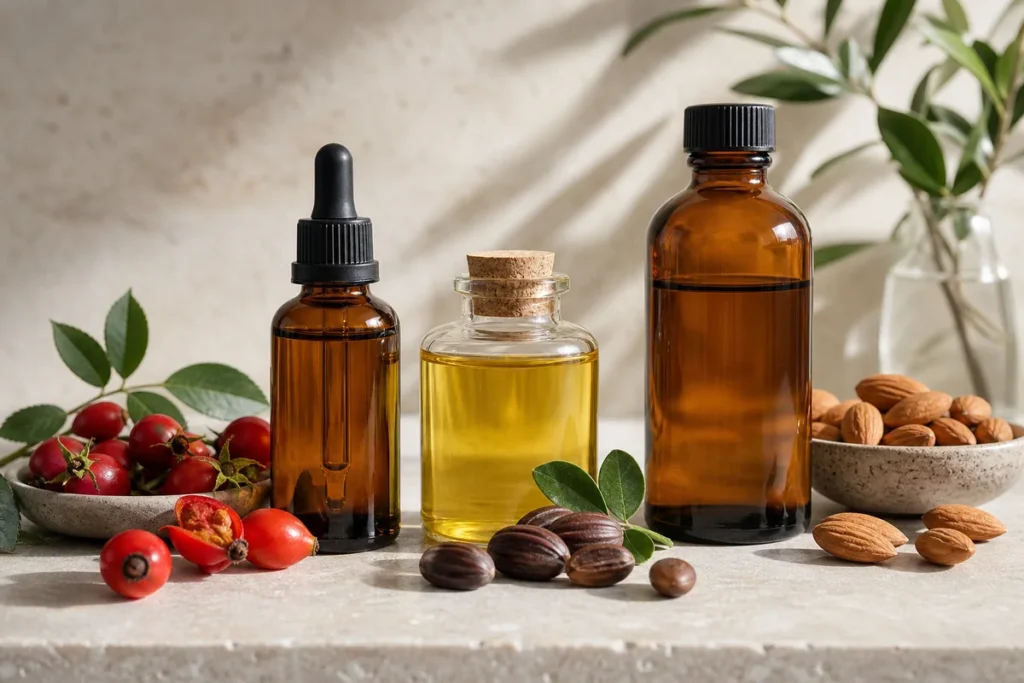
- Always dilute for skin use. A standard adult dilution is 1–2% — that’s 6–12 drops per 30ml of carrier oil (jojoba, sweet almond, apricot kernel). Neat application is how people end up sensitised for life.
- Phototoxicity is real. Cold-pressed citrus oils (especially bergamot) can cause dramatic burns if applied before sun exposure.
- Pets: cats in particular lack the liver enzymes to process many essential oil compounds. Diffuse in ventilated spaces, never apply oils to pets, and keep tea tree well away from them.
- Pregnancy, babies, epilepsy: several oils are contraindicated — check with a professional rather than a Facebook group.
- Never ingest essential oils unless a registered health professional has specifically advised it.
Buying essential oils in NZ
You don’t need an MLM starter kit. NZ suppliers like PureNature stock a wide range of single oils with proper botanical names, from everyday lavender and tea tree (from around $13–20 for common oils, checked September 2026) through to certified organic ranges — at a fraction of multi-level-marketing prices for the same botanicals. Buying single oils and blending your own is also how you avoid paying a premium for someone else’s “proprietary blend” of oils you could have bought separately.
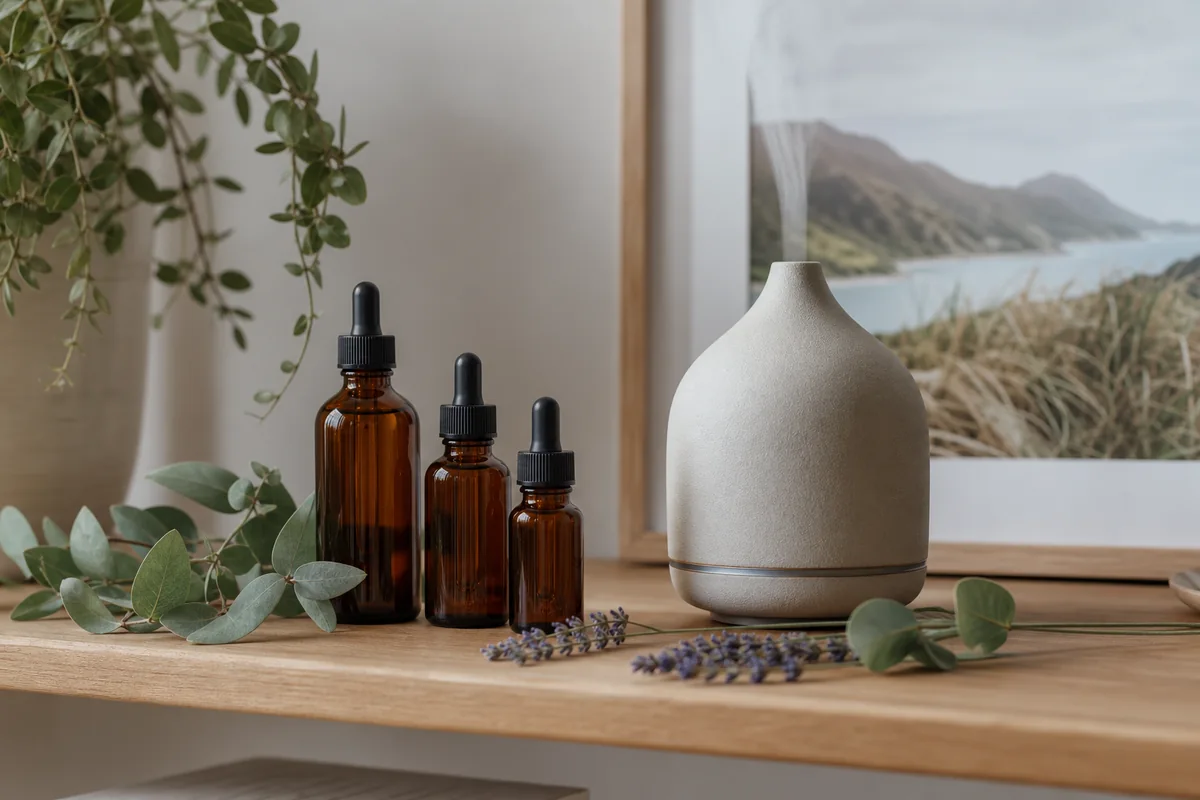
A sensible starter shelf
- Lavender — sleep and general relaxation (diffuser)
- Tea tree — spot treatment (diluted) and DIY cleaning
- Peppermint or eucalyptus — shower steamers and winter comfort
- One citrus (sweet orange is cheap and safe in a diffuser) — because it smells like sunshine
- A carrier oil — jojoba or sweet almond for anything touching skin
That’s roughly $60–80 all up and covers most of what a household will realistically use essential oils for. If you are putting together a wider bath and body shelf, we cover the options separately in our bath salts guide.
The bottom line
Essential oils are neither medicine nor nonsense — they are concentrated plant aromatics with limited or mixed evidence for specific uses, and real risks when used carelessly. They are a comfort layer in a home wellness setup. Buy single oils from transparent suppliers, dilute properly, and keep them away from cats.
Sources and further reading
Health information is general and does not replace advice from a qualified clinician or pharmacist. Check supplements for suitability with your medicines, allergies, pregnancy status and health conditions.